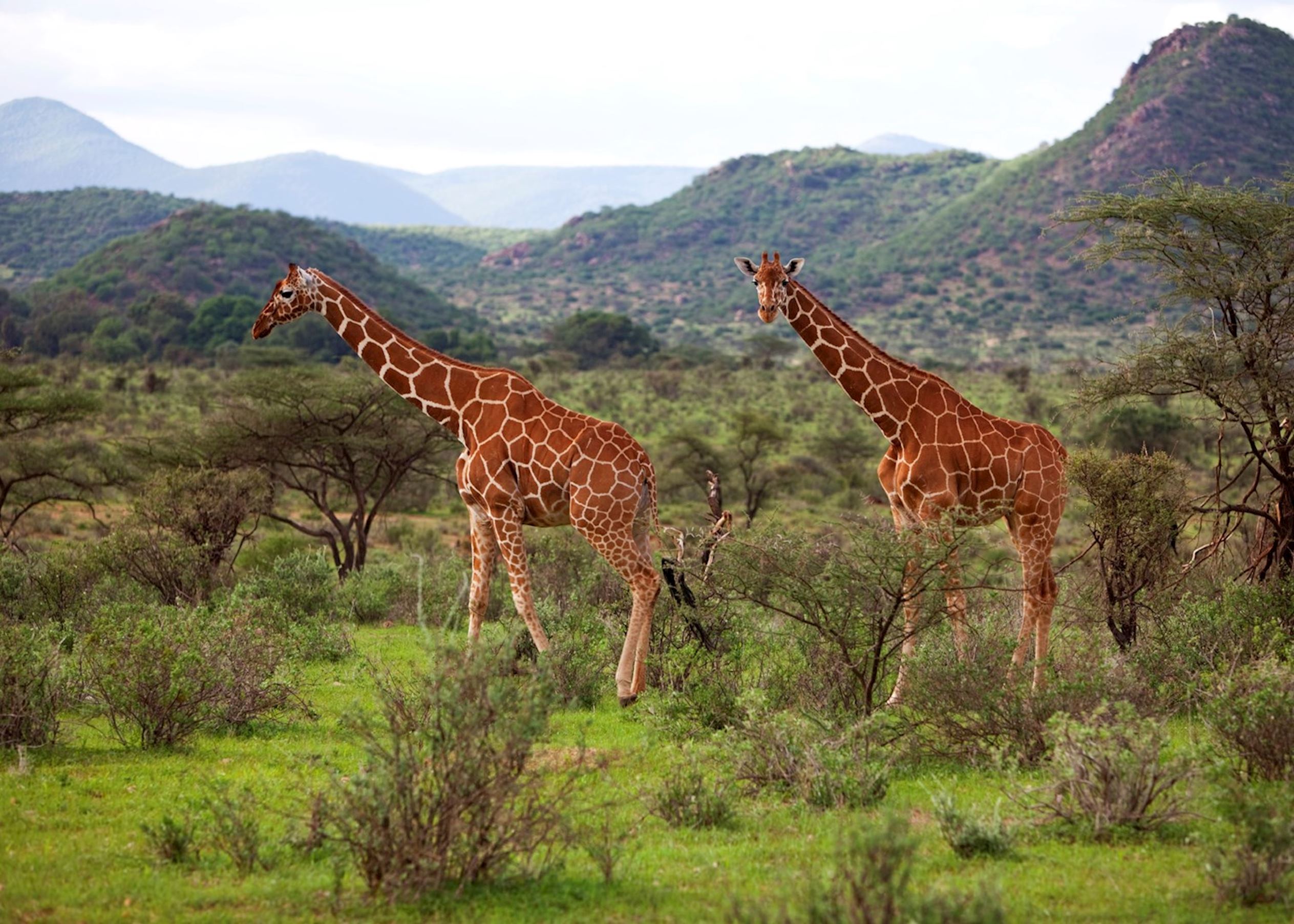
Kenya, known for its diverse landscapes ranging from savannas and mountain ranges to coastal beaches, offers a climate as varied as its geography. Whether you’re heading to the bustling city of Nairobi, exploring the Great Rift Valley, or relaxing on the beaches of Mombasa, understanding Kenya’s weather patterns is crucial for planning the best time to visit.
Kenya enjoys a generally tropical climate, but the country’s altitude and topography create microclimates in different regions, leading to varying temperatures and rainfall. In this article, we’ll break down the different types of Kenya weather, the country’s rainy seasons, and the best time to visit for specific activities.
1. Kenya’s Climate Zones

Kenya is home to a wide range of climate zones, influenced by its geographical diversity. Whether you’re in the lowlands, highlands, or coastal regions, the weather can vary significantly.
Tropical Climate (Coastal Region)
The coastal region of Kenya, including Mombasa, Diani, and Lamu, experiences a tropical climate. The weather here is typically hot and humid year-round, with temperatures ranging from 25°C to 35°C (77°F to 95°F). This region sees the highest humidity, making it feel warmer than the actual temperature.
Arid Climate (Northern and Eastern Kenya)
In the northern and eastern parts of Kenya, such as Garissa, Marsabit, and Mandera, the climate is arid and semi-arid. These areas experience high temperatures (often exceeding 35°C / 95°F) and low rainfall. While it can be hot during the day, temperatures often drop at night, providing some relief. These regions are ideal for safaris in national parks like Samburu, where the dry season attracts animals to water sources.

Temperate Climate (Highlands and Nairobi)
The central highlands, including the capital Nairobi, enjoy a more temperate climate due to their higher altitude. Nairobi, located at about 1,795 meters (5,889 feet) above sea level, has moderate temperatures year-round. During the day, temperatures range from 20°C to 30°C (68°F to 86°F), with cooler evenings. The temperate climate in Nairobi and nearby areas like Mount Kenya makes them popular for outdoor activities such as hiking, trekking, and wildlife viewing.
Cool and Cold Climate (Mountainous Areas)
Kenya’s mountainous regions, such as Mount Kenya, Aberdare Ranges, and Mount Longonot, experience cooler temperatures due to their higher altitude. In these areas, temperatures can drop to as low as 5°C (41°F), especially during the nighttime. The weather here is suitable for those looking for a cooler climate or for visitors planning to climb Mount Kenya or trek the Aberdare Ranges.
2. Kenya’s Seasons: Rainy and Dry
Kenya experiences two main seasons: the rainy season and the dry season. The timing of these seasons can vary depending on the region, but understanding the seasons will help you decide the best time to visit.
The Rainy Season
Kenya has two distinct rainy seasons: the long rains and the short rains.
- Long Rains (March to May): The long rains typically begin in March and last until May. This is the heaviest rainy season in Kenya, particularly in the central highlands, Western Kenya, and Nairobi. During this period, rainfall is frequent and can be quite heavy, often making outdoor activities and safaris challenging, especially in areas like Masai Mara.
- Short Rains (October to December): The short rains occur from October to December and are generally lighter and less consistent than the long rains. However, the coastal region and rural areas can still experience significant showers. This period is also marked by warm temperatures and high humidity.
The Dry Season
Kenya’s dry season runs from June to October. This is generally the best time to visit Kenya, particularly for those going on safari or looking to enjoy outdoor activities. The weather is warm, but not unbearably hot, with clear skies and very little rainfall. The dry conditions make it easier to spot wildlife in places like the Maasai Mara and Amboseli as animals gather around the remaining water sources.
Another dry period occurs from January to February, making it a great time for those visiting the coast or enjoying nature reserves.
3. Best Time to Visit Kenya for Different Activities
Depending on your interests and the activities you want to experience, the best time to visit Kenya can vary. Here’s a breakdown of when to go based on your desired activities:
Safari and Wildlife Viewing
The dry season from June to October is the best time to visit Kenya for safaris. Wildlife congregates around waterholes, making it easier to spot animals, including the Big Five—lions, elephants, buffaloes, leopards, and rhinos. The Great Migration in the Maasai Mara (usually from July to October) is a must-see event, where millions of wildebeest cross the Mara River in dramatic fashion.
Beach Holidays
If you’re looking for a beach holiday on Kenya’s coast, the best time to visit is during the dry months (December to March). The warm, sunny weather makes this the ideal period for exploring Mombasa, Diani, and Lamu. The coastal region is also popular for snorkeling, diving, and water sports during these months.
Hiking and Mountain Climbing
Kenya’s mountainous regions, such as Mount Kenya and Aberdare Ranges, are best visited during the dry season when the weather is clear and conditions are favorable for hiking and mountain climbing. The months of June to October provide the best trekking conditions, with less rain and cooler temperatures, making it easier to reach higher altitudes.
Bird Watching
Kenya is a bird watcher’s paradise, especially during the short rains (October to December). Migratory birds arrive during this time, and you can spot a wide variety of species, particularly at Lake Nakuru, Lake Naivasha, and Masai Mara. Bird watchers flock to these areas for sightings of both local and migratory birds.
4. Conclusion: When to Visit Kenya
Kenya offers a variety of climates and activities throughout the year, making it a year-round destination. If you’re planning a safari, the dry season (June to October) is ideal, particularly for witnessing the Great Migration in Masai Mara. For beach lovers, the dry months (December to March) are perfect for sunbathing and water activities along the coast.
The rainy season can still offer unique experiences, such as fewer crowds, lush landscapes, and the opportunity to see migratory birds. However, it’s best to plan your visit based on the activities you most want to experience. With Kenya’s diverse weather and abundant wildlife, every season offers something special for travelers. Whether you’re embarking on a safari adventure, relaxing on the coast, or hiking Kenya’s mountains, the country’s climate will ensure an unforgettable experience.


