Kenya, with its diverse landscapes and rich cultural heritage, is a top destination for travelers seeking adventure, wildlife, and stunning scenery. From the Savannas of Maasai Mara to the beaches of Diani, the highlands of Mount Kenya to the bustling city of Nairobi, the best time to visit Kenya depends on your interests and what kind of experience you are looking for.
Kenya offers something for everyone throughout the year, but understanding its weather patterns, wildlife migration schedules, and seasonal activities can help you plan the perfect trip. This seasonal guide will help you decide when to visit Kenya based on weather, safaris, and other unique attractions.
1. Kenya’s Climate Overview
Kenya lies on the equator, which means the country generally experiences a tropical climate. However, its geography—ranging from coastal plains to highland mountains—creates a range of climates, making Kenya a year-round destination.
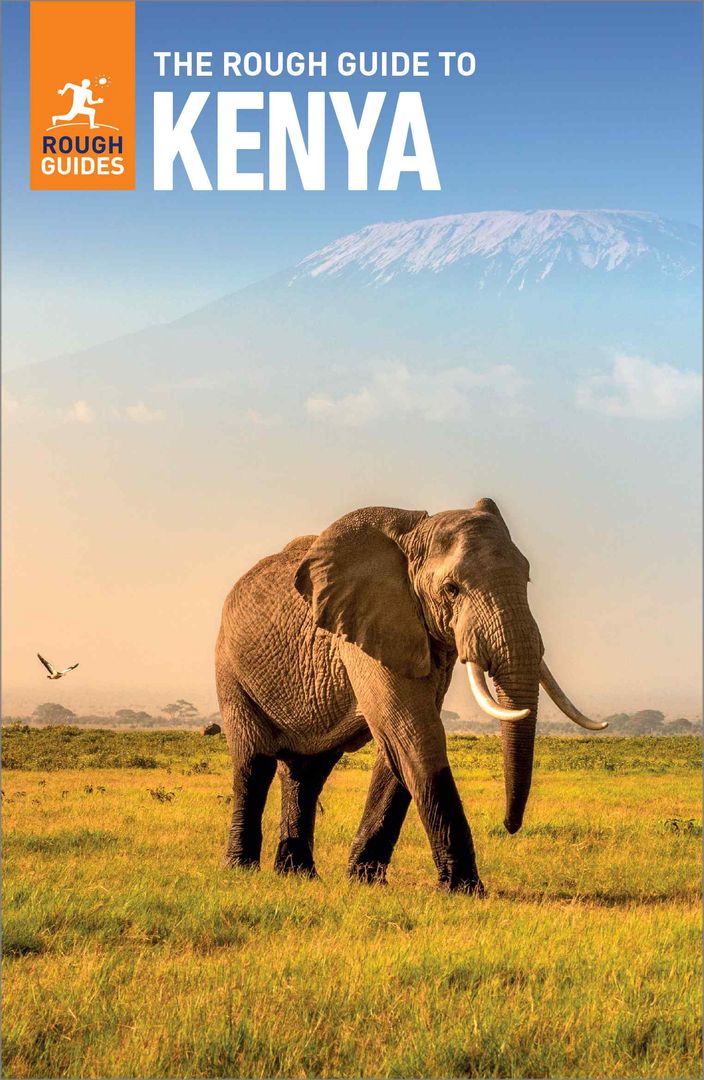
- Coastal Areas (Mombasa, Diani, Lamu): These regions experience hot and humid conditions with temperatures averaging between 25°C to 35°C (77°F to 95°F) throughout the year.
- Highlands (Nairobi, Mount Kenya): The central highlands, including Nairobi, are cooler, with temperatures ranging between 20°C to 30°C (68°F to 86°F). This region enjoys a more temperate climate, making it ideal for outdoor activities like hiking and safaris.
- Arid and Semi-Arid Regions (North Kenya, Maasai Mara): These areas, including Samburu and Marsabit, experience hot conditions with low rainfall. The temperature can exceed 35°C (95°F) during the day and cools significantly at night.
2. Best Time for Wildlife Safaris: June to October
If you’re planning to experience a Kenya safari, the dry season from June to October is the best time to visit. During these months, wildlife congregates around water sources, making it easier to spot animals. The Maasai Mara, Amboseli, Tsavo, and Samburu National Parks are all prime spots for game viewing during this period.
Key Highlights of the Dry Season:
- The Great Migration: The Great Migration of wildebeest, zebras, and gazelles usually takes place between July and October, when millions of animals cross the Mara River into the Maasai Mara. This is one of the most dramatic and awe-inspiring wildlife events on the planet.
- Easier Animal Spotting: The dry conditions make it easier for animals to gather around remaining waterholes, which is ideal for wildlife photography and game drives.
- Clear Skies and Sunshine: Expect sunny days and very little rainfall, perfect for outdoor activities like safaris, hiking, and exploring the Kenyan coast.
During the dry months, you’ll find more tourists, so it’s a good idea to book accommodations and safari tours in advance.
3. The Green Season: March to May
The long rains in Kenya usually occur from March to May, making this period the low season for tourists. While the rains might deter some travelers, this time of year offers unique advantages for those looking to enjoy the country without the crowds.
Key Highlights of the Green Season:
- Lush Landscapes: The rains transform the savannas and forests into lush, vibrant landscapes, making it an excellent time for nature lovers and photographers who want to capture Kenya’s greenery.
- Lower Costs: Since this is the off-season, you can expect discounted rates on accommodations, flights, and tours. If you’re traveling on a budget, this could be a great time to visit Kenya without breaking the bank.
- Bird Watching: For bird enthusiasts, the green season is an excellent time to visit. Migratory birds arrive during this period, making Kenya an ideal destination for bird watching, especially in Lake Nakuru and Masai Mara.
Although the weather can be unpredictable, with heavy rainfall in some areas, safaris can still be enjoyed, and the fewer crowds mean a more peaceful experience.
4. Shoulder Seasons: January to February and November
The shoulder seasons—January to February and November—offer a great balance of favorable weather and fewer crowds. These months are between the rainy and dry seasons, meaning that while there may be occasional rain, the overall conditions are typically dry and pleasant.
Key Highlights of the Shoulder Seasons:
- Great Wildlife Viewing: These months are excellent for game drives, as animals remain easier to spot around water sources.
- Affordable Rates: While not as cheap as the rainy season, traveling in the shoulder months still allows for lower prices compared to peak travel periods, especially for safaris and accommodations.
- Perfect for Coastal Visits: If you’re looking for a beach holiday, the shoulder months offer warm temperatures along the coast, perfect for swimming, snorkeling, and exploring coastal towns like Mombasa, Diani, and Lamu.
The weather is generally warm with clear skies, especially in coastal areas, making it an ideal time to enjoy a variety of outdoor activities without the crowds.
5. Best Time for Hiking and Adventure: June to October
Kenya’s mountainous regions and national parks offer some of the best hiking and adventure activities in the country. The dry season, from June to October, is perfect for mountain climbing in places like Mount Kenya, Mount Longonot, and the Aberdare Ranges.
Key Highlights for Hiking and Adventure:
- Mount Kenya: The dry season is ideal for trekking Mount Kenya, one of Africa’s highest peaks. Clear skies and mild weather conditions make for a safer and more enjoyable climb.
- Mount Longonot: This dormant volcano offers a thrilling hike with panoramic views of the Great Rift Valley. The dry months are the best time to take on this adventure.
- Lake Naivasha and Aberdares: Enjoy boat rides, bird watching, and hikes around Lake Naivasha and the Aberdare National Park, all of which are best visited during dry weather.
6. Best Time for a Beach Holiday: December to March
For those seeking the ultimate beach vacation, Kenya’s coastal region is a paradise. The best time to visit for a beach holiday is during the dry months of December to March when the weather is warm and sunny.
Key Highlights for Beach Holidays:
- Warm Weather: Expect hot and sunny days, ideal for lounging on the beach or engaging in water sports like snorkeling, scuba diving, and kite surfing.
- Festivals: December also brings Christmas and New Year celebrations, making it a popular time for family vacations and festive gatherings.
7. Conclusion: When to Visit Kenya
The best time to visit Kenya depends largely on your interests and the activities you wish to enjoy. If you’re planning a safari, the dry season (June to October) is your best bet, especially if you want to witness the Great Migration. However, the green season (March to May) offers more affordable prices and lush landscapes for a different experience.
For beach lovers, the dry months of December to March offer the best coastal weather, while shoulder seasons (January, February, and November) provide a balance of great weather and fewer tourists. Hiking enthusiasts will appreciate the dry season, making it easier to explore Kenya’s mountains and reserves.
Regardless of the season you choose, Kenya’s natural beauty, wildlife, and warm hospitality ensure that every trip will be unforgettable.