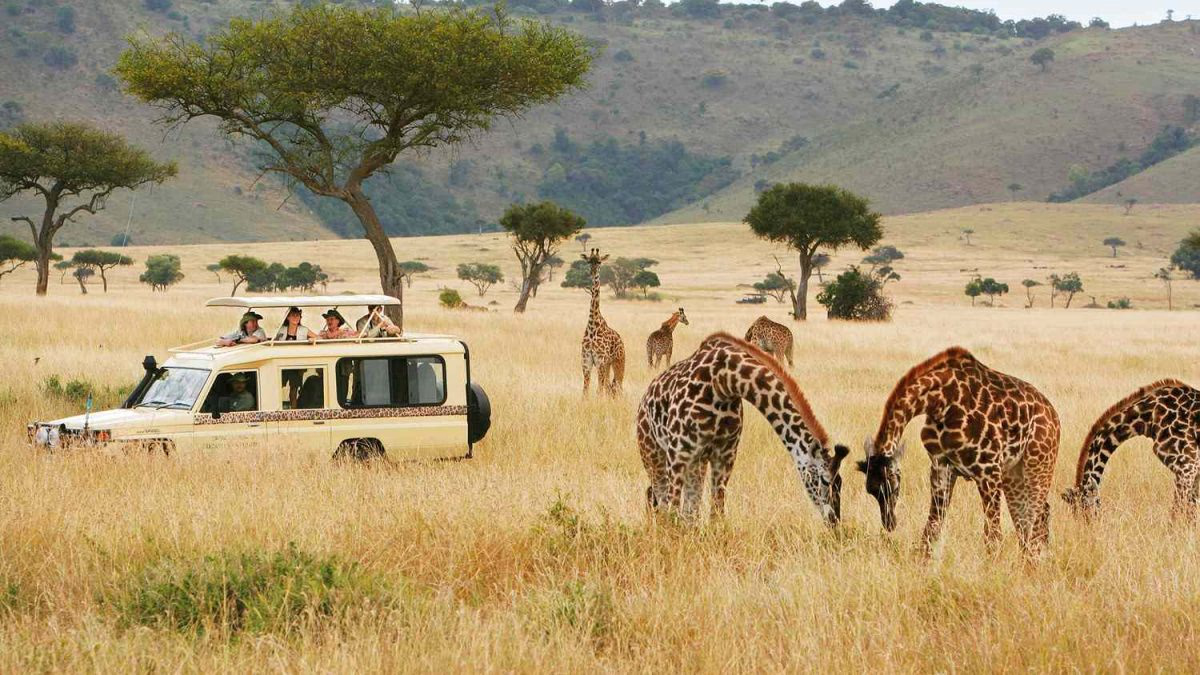
Kenya is one of the most iconic safari destinations in the world, offering an unforgettable adventure filled with breathtaking landscapes, abundant wildlife, and a rich cultural heritage. However, like most travel destinations, the timing of your safari can greatly affect your experience. Understanding Kenya safari seasons is essential for planning the perfect trip to ensure you catch the best wildlife viewing opportunities, enjoy favorable weather, and experience the landscapes at their most stunning.
In this article, we’ll guide you through the different safari seasons in Kenya, help you determine when to visit, and explain what you can expect during each season.
1. The High Season: June to October
Best Time for Wildlife Viewing
The high season for Kenya safaris runs from June to October, and it’s widely regarded as the best time to visit. During these months, Kenya experiences dry weather, making it ideal for game viewing, especially in the Maasai Mara, Amboseli, and Tsavo National Parks. The dry conditions make it easier for animals to gather around water sources, giving visitors an excellent opportunity to spot big cats, elephants, giraffes, and a variety of antelope species.
Key Highlights of the High Season:
- The Great Migration: One of the most iconic natural phenomena, the Great Migration occurs from July to October, when millions of wildebeest, zebras, and gazelles cross the Mara River in the Maasai Mara. Witnessing this spectacular event is the pinnacle of a Kenyan safari.
- Clear skies: The dry season brings sunny days, making it ideal for outdoor safaris and photography.
- Animal Concentration: As water becomes scarcer during the dry months, animals are drawn to the remaining waterholes, making them easier to spot.
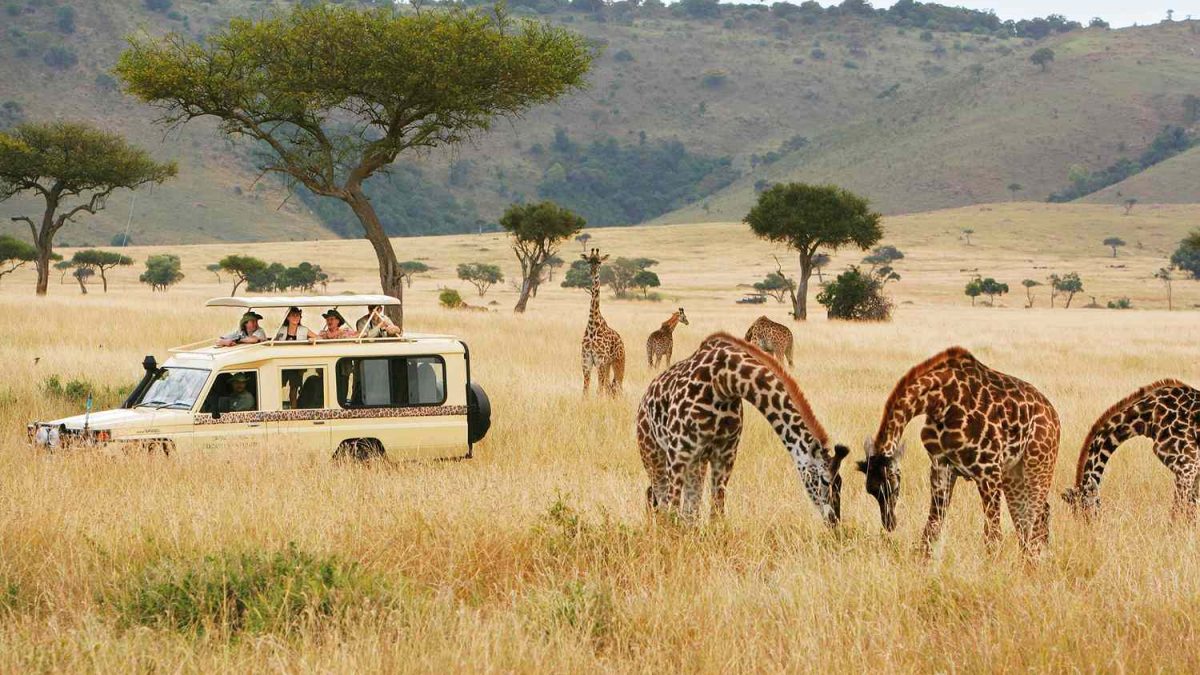
While the high season is perfect for wildlife lovers, it’s also when safari prices are at their peak. Expect higher accommodation rates and more tourists, especially in popular reserves like Masai Mara.
2. The Green Season: November to May
Best for a Peaceful Safari and Budget Travelers
The green season, which lasts from November to May, is the low season for safaris in Kenya. Although this period coincides with the rainy season, it offers several unique advantages for those who are looking for a quieter and more affordable safari experience. Short rains typically fall in November and December, while long rains occur from March to May.
While it may be less predictable in terms of weather, the green season can be equally rewarding for safari-goers willing to embrace the rains.
Key Highlights of the Green Season:
- Lush Landscapes: The rain transforms the savannahs and forests into lush, green landscapes, which provide stunning backdrops for wildlife photography and peaceful safaris.
- Fewer Tourists: With fewer crowds, the green season offers a more private and intimate safari experience, allowing for quieter game drives and more personal encounters with wildlife.
- Lower Costs: Because it is the low season, many safari operators offer discounted rates on accommodations, tours, and activities, making it a great time for budget-conscious travelers.
- Bird Watching: The rainy season attracts a variety of migratory birds, making Kenya an ideal destination for bird watchers. You can spot species that are not as easily seen during the dry season.
While the rainy season can bring occasional downpours, these tend to occur in the afternoon or evening, leaving mornings free for safari activities. Additionally, wildlife is still abundant, and the Mara and other parks are less crowded, offering an immersive experience.
3. The Shoulder Seasons: Late May and Early June
Best Time for a Compromise Between Cost and Experience
The months of late May and early June serve as shoulder seasons between the high and low seasons. These months are characterized by mild weather and fewer tourists, offering a balance between the benefits of both peak and off-peak seasons.
Key Highlights of Shoulder Seasons:
- Affordable Pricing: These months offer relatively lower prices compared to the high season, making it an attractive option for those looking for a good deal.
- Favorable Weather: While the rains may still be occurring in May, the weather is typically manageable, with fewer storms than in the peak rainy season (March-May).
- Less Crowded: Since it’s not as busy as the high season, you’ll enjoy a more private experience with less competition for prime wildlife viewing spots.
The shoulder seasons are a great option for those who want the benefits of both worlds: affordable prices and the opportunity to experience wildlife without the crowds.
4. Special Wildlife Events in Kenya
While traditional safari seasons are essential for timing your trip, there are some special wildlife events and experiences in Kenya that can influence the best time to visit:
The Great Migration (July to October)
The Great Migration is the ultimate event for wildlife enthusiasts. The annual migration of wildebeest, zebras, and gazelles from the Serengeti in Tanzania to the Maasai Mara in Kenya is one of the most spectacular natural occurrences on Earth. Witnessing the herds cross the Mara River and the predators that follow them is a once-in-a-lifetime experience.
Calving Season (January and February)
If you’re interested in seeing baby animals, the calving season in the Maasai Mara and other parts of Kenya happens between January and February. This is when wildebeest, zebras, and gazelles give birth, and predators like lions and cheetahs are most active, taking advantage of the young animals.
Bird Migration (November to April)
For bird watchers, Kenya is a top destination for migratory birds between November and April. Kenya’s diverse habitats, including the Lewa Wildlife Conservancy, Lake Nakuru, and Amboseli National Park, attract thousands of migratory birds from Europe and Asia.
5. Which Season Should You Choose?
When deciding on the best time to visit Kenya for a safari, consider the following:
- For wildlife lovers who want to see it all: June to October is the best time to visit. The dry conditions make animal spotting easier, and you have the added bonus of witnessing the Great Migration in the Maasai Mara.
- For budget-conscious travelers: The green season (November to May) offers more affordable safari options, although the rains might impact your experience. If you don’t mind a little rain, the green season can offer beautiful landscapes and fewer crowds.
- For the best of both worlds: Late May and early June offer a balance of good weather, lower prices, and less crowded parks. It’s a sweet spot if you want to enjoy a quieter safari experience while still having good weather conditions.
6. Conclusion
Kenya is a year-round safari destination with something to offer in every season. Whether you’re looking for great wildlife viewing, affordable rates, or less crowded parks, understanding the different Kenya safari seasons will help you plan the perfect trip. Each season offers unique experiences, from the vibrant Great Migration in the dry season to the peaceful, lush landscapes of the rainy months.
No matter when you visit, Kenya’s world-class national parks and reserves, including the Maasai Mara, Amboseli, and Tsavo, offer unforgettable experiences that will make your safari dreams come true. So pack your bags and get ready to explore the stunning beauty of Kenya on your next safari adventure!