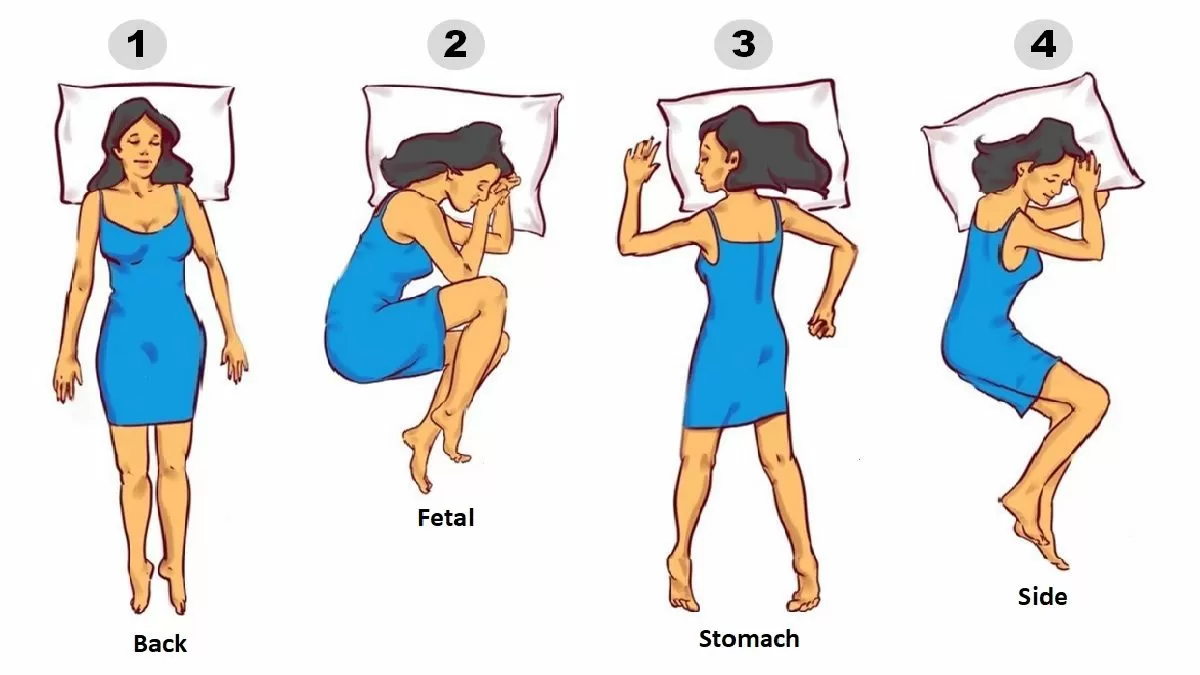
Sleeping positions and sleep quality go hand in hand. The way you sleep each night influences how well your body rests and how refreshed you feel in the morning. People usually adopt one of three main positions: supine (back), prone (stomach), or lateral (side). Variations exist, such as the fetal position for side sleepers or the starfish posture for stomach sleepers.
Changing posture during the night is normal, but your default position plays a bigger role in rest. The wrong posture can worsen snoring, trigger acid reflux, or increase pain in the neck and back. The right one can improve breathing, circulation, and even mental health.
Poor sleep quality affects mood, memory, and focus. It also makes it harder to regulate emotions and handle stress. By adjusting your sleep position, you can improve both physical comfort and mental resilience.
Benefits of side sleeping
Side sleeping is the most common posture, with more than half of adults preferring it. It is especially helpful for people who snore or suffer from obstructive sleep apnea, as it helps keep airways open. Research also suggests side sleeping may support brain health by clearing waste products linked to dementia.
Sleeping on the left side has added benefits. It can ease acid reflux and heartburn, improve circulation during pregnancy, and reduce pressure on the liver. It may also benefit people with heart conditions by promoting healthier blood flow.
Benefits of sleeping on your back
Though less common, sleeping on the back offers unique benefits. It supports spine alignment, especially when paired with a medium-firm mattress and supportive pillow. This posture relieves pressure on joints, helping people with chronic back or shoulder pain.
Sleeping on your back may reduce wrinkles, since the face avoids pressure against pillows. With the head elevated, it can also help limit acid reflux. However, this position can worsen snoring or sleep apnea for some.
Drawbacks of sleeping on your stomach
Prone sleeping, or lying face down, is the least common position. While it may improve breathing in certain cases, it often causes problems. Sleeping on the stomach strains the spine and neck, leading to stiffness and pain. For pregnant women, it becomes uncomfortable and unsafe as the pregnancy progresses.
Doctors often recommend avoiding this position unless specifically advised for a short-term medical condition.
When sleep positions may cause problems
Some postures can worsen existing conditions:
- Snoring and sleep apnea often intensify when sleeping on the back.
- Neck and back pain increase with stomach sleeping.
- Pregnancy complications rise when lying flat on the back.
- Acid reflux worsens when lying flat or on the right side.
Understanding these risks helps you choose the right position for your health needs.
Tips to improve sleep quality with better positions
Changing how you sleep takes time, but several strategies can help:
- Choose the right mattress: side sleepers benefit from soft to medium-firm surfaces, back sleepers from medium-firm support, and stomach sleepers from firmer beds.
- Use pillows effectively: between the knees for side sleepers, under the head for back sleepers, and thin pillows for stomach sleepers to reduce strain.
- Create barriers: body pillows or position trainers can stop you from rolling into harmful postures.
- Improve sleep hygiene: consistent bedtimes, reduced screen exposure, blackout curtains, and calming rituals before bed all reduce tossing and turning.
Mental health and sleep posture
Your sleep posture affects not only physical rest but also mental health. The right position improves mood, sharpens focus, and lowers irritability. A sleep diary can help track progress as you experiment with new postures. Adaptation takes patience, but over time you can spend more hours in a posture that supports deep, restorative rest.
Conclusion
The connection between sleeping positions and sleep quality is undeniable. Each posture has its pros and cons, but by making adjustments—through mattresses, pillows, and habits—you can minimize discomfort, reduce health risks, and wake up feeling energized. The key lies in listening to your body and consistently practicing the position that leaves you most refreshed.