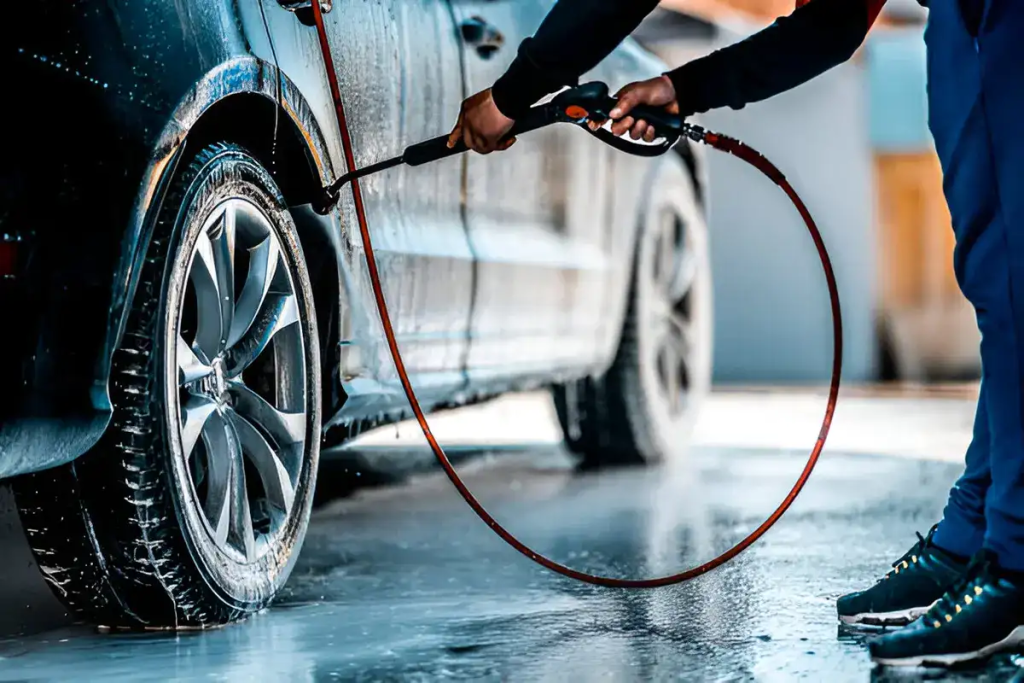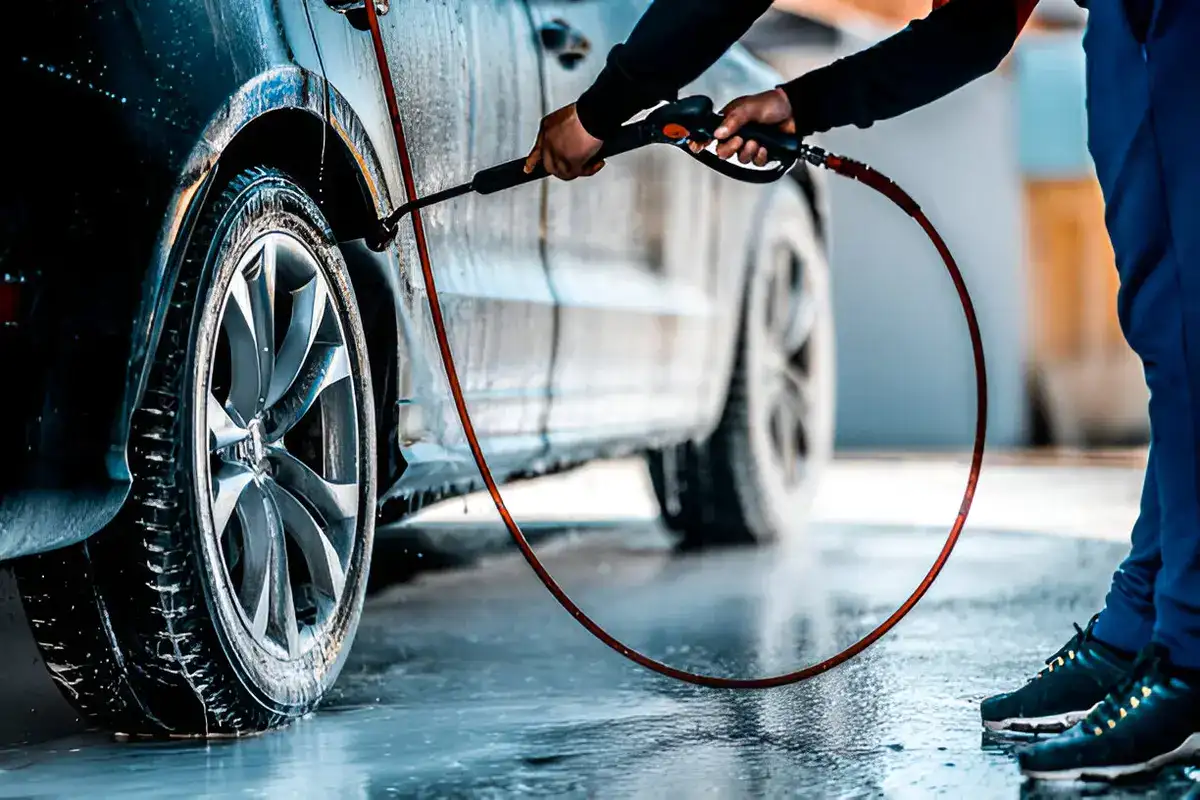
Starting a car wash business in Kenya offers a lucrative opportunity given the growing number of vehicles on the road. As urbanization increases and the middle class grows, more car owners are seeking regular cleaning and maintenance services for their vehicles. This comprehensive guide will help you navigate through the necessary steps to set up a successful car wash business in Kenya, covering market analysis, planning, legal requirements, and effective marketing strategies.
1. Why Start a Car Wash Business in Kenya 2026?
The demand for car wash services is rising in Kenya due to the increasing number of vehicles and the growing focus on vehicle maintenance. Here’s why a car wash business could be a profitable venture:
- Steady Demand: Every car owner requires regular cleaning, making the business consistently profitable.
- Flexible Operation: You can start small with manual washing or invest in an automated system as the business grows.
- Scalability: The business can expand into offering detailing services, fleet washing, or mobile car washes, increasing revenue streams.
2. Step 1: Understanding the Car Wash Market in Kenya
Conducting thorough market research is crucial to understanding the car wash landscape in Kenya. Key areas to focus on include:
- Demand Analysis: Kenya’s vehicle numbers are rapidly increasing, and with it, the need for car cleaning services.
- Competition Analysis: Study local competitors to identify gaps in their services or pricing strategies.
- Target Market: Focus on car owners, taxi operators, and fleet services. Tailor your offerings to attract each group with specific needs.
Pro Tip: Visit nearby car washes to observe their busiest times, service offerings, and customer service quality.
3. Step 2: Developing a Business Plan for Car Wash Business in Kenya 2026
A detailed business plan will guide your business decisions and ensure long-term success. Key components of your plan should include:
- Executive Summary: Outline your business concept, mission, and objectives.
- Market Analysis: Research customer demand and local competition.
- Marketing Plan: Define your marketing strategies, including promotions and social media marketing.
- Financial Plan: Estimate startup costs, revenue projections, and expected profits.
Estimated Costs:
- High-pressure Washer: KSh 35,000
- Water Recycling System: KSh 50,000
- Cleaning Supplies (Monthly): KSh 10,000
- Business Registration: KSh 5,000
- Staff Salaries (Monthly): KSh 20,000
4. Step 3: Legal Requirements to Start a Car Wash Business in Kenya
To operate legally in Kenya, you must meet several legal requirements:
- Business Registration: Register your business at Huduma Centres or online.
- Licenses and Permits: Obtain a food handling license, a business permit, and an Environmental Impact Assessment (EIA) certificate.
- Insurance: Consider liability insurance to protect against any claims related to your services.
5. Step 4: Selecting the Right Location
The location of your car wash is critical to your business success. Look for:
- High Traffic Areas: Near shopping malls, gas stations, or busy office districts.
- Visibility and Accessibility: Ensure customers can easily find and access your services.
- Competitor Location: Avoid placing your business too close to established competitors unless you can offer a unique value proposition.
6. Step 5: Procuring Equipment and Supplies
Invest in quality equipment to ensure efficient and effective service. Essential tools include:
- Pressure Washers: For exterior cleaning.
- Vacuum Cleaners: For interior cleaning.
- Eco-friendly Cleaning Supplies: Use biodegradable soaps and waxes to appeal to environmentally conscious customers.
- Water Recycling System: Reduce water usage and improve sustainability.
7. Step 6: Hiring and Training Staff
Staff are the face of your car wash business, so hiring and training the right people is essential:
- Recruitment: Hire staff with experience in customer service or car washing, or provide training.
- Training: Teach staff the proper cleaning techniques, safety practices, and how to interact with customers.
8. Step 7: Marketing Your Car Wash Business
Effective marketing strategies will help you attract and retain customers:
- Online Marketing: Create a website, and use Facebook, Instagram, and WhatsApp to promote your services and engage with potential customers.
- Promotions: Offer discounts or loyalty cards to encourage repeat business.
- Community Engagement: Participate in local events or sponsor local teams to boost brand visibility.
9. Step 8: Financial Management
Proper financial management is essential for the longevity of your business:
- Budgeting: Track expenses daily and allocate funds for unexpected repairs or equipment upgrades.
- Revenue Tracking: Use basic accounting software or hire a part-time accountant to monitor your income and expenses.
10. Step 9: Embracing Sustainability
Sustainability is becoming increasingly important to customers. Consider the following eco-friendly practices:
- Water Recycling: Install systems to reduce water waste and minimize operational costs.
- Biodegradable Cleaning Agents: Use eco-friendly products to appeal to environmentally conscious customers.
11. Frequently Asked Questions (FAQs)
- How much does it cost to start a car wash in Kenya?
The startup cost can range from KSh 100,000 to KSh 500,000, depending on the scale and equipment. - How can I attract more customers?
Utilize online marketing, offer promotions, and maintain excellent customer service. - What permits do I need?
You need a business permit, environmental permits, and insurance, all obtainable from relevant authorities. - Can I operate a car wash on rented land?
Yes, but ensure you have a clear lease agreement. - How do I ensure profitability?
Keep costs low, choose a good location, and focus on customer retention.
12. Conclusion
Starting a car wash business in Kenya can be a highly profitable venture if you follow the right steps. With growing demand, strategic planning, and effective marketing, you can create a successful car wash business. Remember to stay flexible, embrace sustainable practices, and always focus on providing excellent customer service to stay ahead in the competitive market.