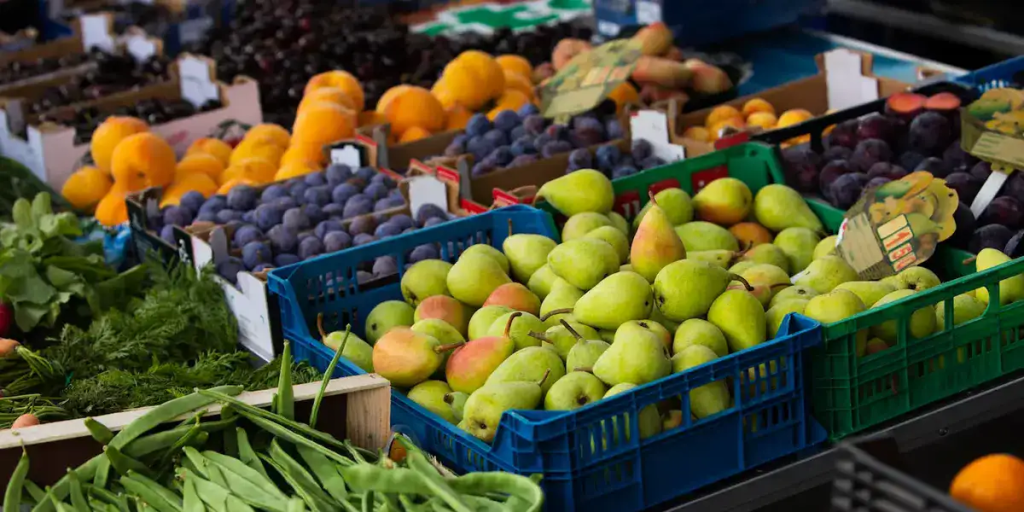
Starting a fruit parlor business in Kenya offers an exciting opportunity to tap into the growing demand for fresh, healthy foods. With a rising trend of health-conscious consumers seeking fresh fruit and juice options, the fruit parlor business is poised for success. In this guide, we will walk you through the key steps to setting up your fruit parlor, including market analysis, business planning, legal requirements, marketing strategies, and operations management.
1. Understanding the Market
Before launching your fruit parlor, it’s important to understand the market landscape. Here are key insights that will help you assess the market and determine your business strategy:
- Demand for Fresh Produce: As people become more health-conscious, the demand for fresh fruit and juices is increasing. Offering a healthy alternative to sugary drinks and snacks can attract a wide range of customers.
- Target Audience: Identify your ideal customers, such as health-conscious individuals, families, students, and office workers. Understanding your target demographic will help tailor your offerings and marketing efforts.
- Location: Choose a location with high foot traffic, such as near schools, offices, or shopping malls. A visible and accessible location will help you attract more customers.
2. Creating a Business Plan
A well-thought-out business plan is the foundation of any successful business. Your business plan should include the following sections:
- Executive Summary: A brief overview of your business idea, mission, and goals.
- Market Analysis: Research your competitors, customer preferences, and trends in the fruit and juice market.
- Marketing Strategy: Outline how you will attract customers, including promotional tactics, social media marketing, and special offers.
- Financial Projections: Estimate your startup costs, monthly expenses, expected revenue, and profits. This will help you assess the financial viability of your business.
3. Ready-Made Fruit Parlor Business Plan
To give your fruit parlor business a head start, consider using a ready-made business plan specifically designed for the Kenyan market. Our comprehensive fruit parlor business plan is a perfect tool for streamlining your strategy and ensuring you cover all important aspects of the business.
- Features of the Plan: Detailed market analysis, financial projections, marketing strategy, and operational guidelines tailored to the Kenyan market.
- Instant Delivery: Get the plan delivered directly to you via WhatsApp or email.
Price: KSh999 | Offer Price: KSh249
[Grab your business plan now and start your journey to success in the fruit parlor business!]
4. Legal Requirements
When starting a fruit parlor in Kenya, you’ll need to comply with several legal requirements:
- Business Registration: Register your business with the relevant authorities, such as the Kenya Revenue Authority (KRA), to operate legally.
- Licenses and Permits: Obtain the necessary food handling licenses and health certificates to ensure compliance with health regulations.
- Tax Compliance: Register with the Kenya Revenue Authority (KRA) for tax purposes and ensure you meet all tax obligations.
5. Setting Up Your Fruit Parlor
Now that your business plan is in place, it’s time to set up your parlor. Here are some essential steps for creating a successful fruit parlor:
- Location and Space: Find a location that’s easily accessible and visible to your target customers. A high-foot traffic area will maximize exposure.
- Equipment: Invest in quality equipment such as juicers, refrigerators, display cases, and storage units. This is essential for maintaining the freshness of your products.
- Suppliers: Establish strong relationships with local farmers or wholesalers to ensure a consistent supply of fresh fruits at competitive prices.
6. Marketing Your Fruit Parlor Business
Effective marketing will help you attract customers and build a loyal customer base. Here are some marketing strategies you can implement:
- Social Media Marketing: Use platforms like Facebook and Instagram to showcase your fruit offerings, share customer testimonials, and run promotions.
- Promotions: Offer discounts, loyalty programs, or special deals to attract first-time customers and encourage repeat business.
- Community Engagement: Participate in local events, markets, or health fairs to increase visibility and engage directly with potential customers.
7. Managing Operations
Running a smooth and efficient operation is key to success. Here are some operational tips for managing your fruit parlor effectively:
- Staffing: Hire friendly, knowledgeable staff who can provide excellent customer service and promote your products effectively.
- Inventory Management: Keep track of stock levels to ensure you always have fresh produce available and minimize waste.
- Customer Feedback: Regularly gather feedback from your customers to improve your products and services.
8. Conclusion
Starting a fruit parlor business in Kenya can be a rewarding venture, especially with the rising demand for fresh, healthy products. By understanding the market, creating a solid business plan, and effectively marketing your parlor, you can set yourself up for success. Remember, the key to thriving in the fruit parlor business is offering quality products, exceptional customer service, and smart management practices.
By following this guide, you’ll be well on your way to establishing a profitable fruit parlor business in Kenya.