Healthy eating is key to maintaining good health and energy levels. These 8 tips for healthy eating can help you make better food choices, improve your diet, and ensure you get all the nutrients your body needs. By eating the right amount of calories and focusing on a balanced diet, you can boost your overall well-being.
Base Your Meals on Higher Fibre Starchy Carbohydrates
Starchy carbohydrates should make up just over a third of your meals. These include potatoes, bread, rice, pasta, and cereals. Choose higher fibre or wholegrain varieties such as wholewheat pasta, brown rice, and potatoes with their skins on. These options provide more fibre, helping you feel fuller for longer. Remember, it’s not just about the carbs—be mindful of the fats you add during preparation, like oil, butter, or creamy sauces, as they can increase the calorie content.
Eat Lots of Fruit and Veg for Better Health
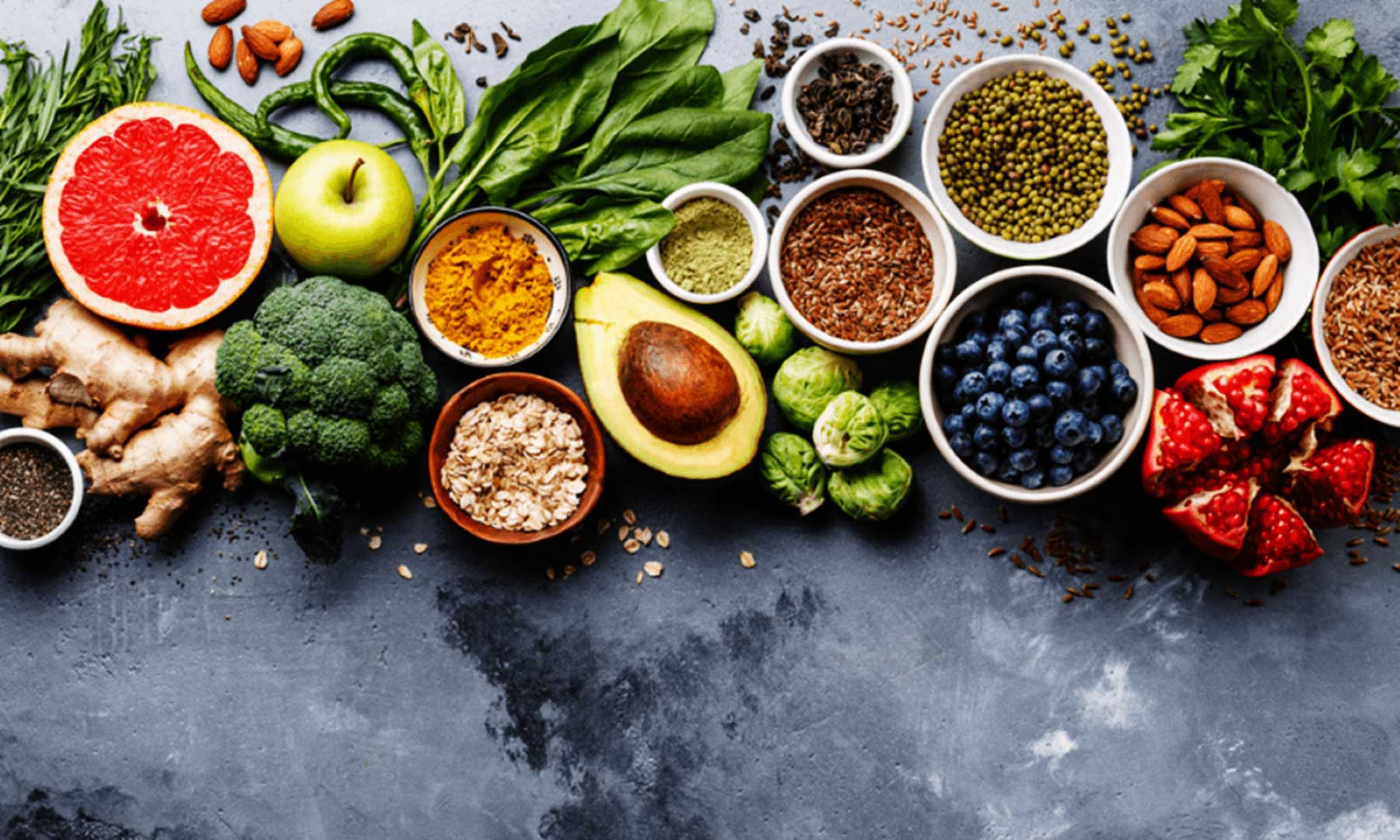
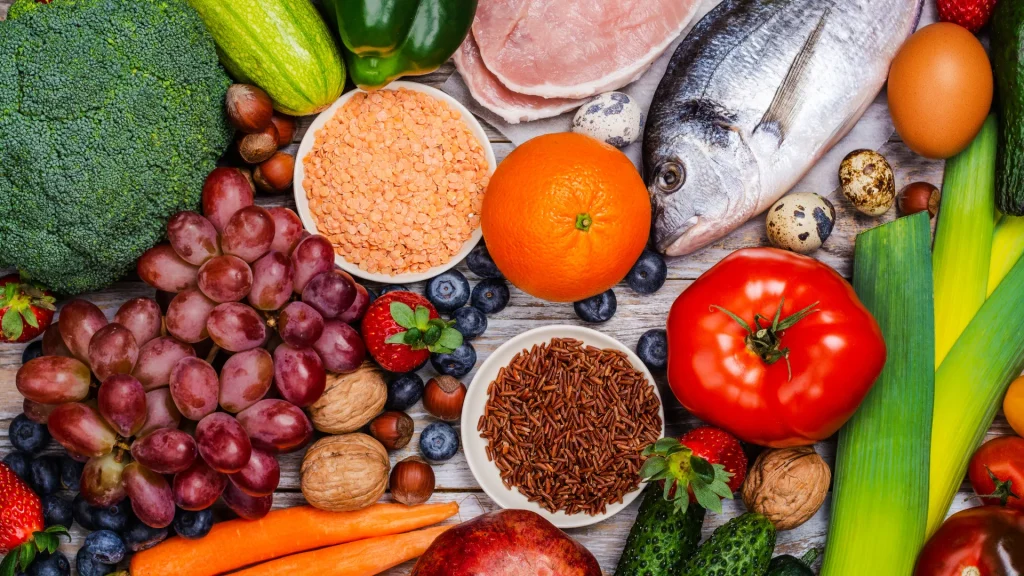
Eating at least 5 portions of a variety of fruit and vegetables every day is essential for a healthy diet. Fresh, frozen, canned, dried, or juiced fruits and veggies all count. A portion of fruit or vegetables is typically 80g, and dried fruit should be limited to 30g at mealtimes. Fruit juice and smoothies can also count as one portion, but limit them to no more than 150ml a day due to their sugar content.
Eat More Fish, Including Oily Fish for Heart Health
Fish is an excellent source of protein, vitamins, and minerals. Aim for at least two portions of fish each week, with at least one portion being oily fish. Oily fish like salmon, trout, mackerel, and sardines are rich in omega-3 fats, which can help prevent heart disease. Be mindful of the salt content in canned and smoked fish when making your selection.
Cut Down on Saturated Fat and Sugar
While fats are necessary, it’s important to limit your intake of saturated fat. Too much can increase cholesterol and raise the risk of heart disease. Try to keep saturated fat intake below 30g per day for men and 20g for women. Choose unsaturated fats found in vegetable oils, spreads, and oily fish. Reducing sugar intake is also crucial for overall health, as consuming too much sugar increases the risk of obesity and tooth decay.
Eat Less Salt to Protect Your Health
Excess salt can raise blood pressure, increasing the risk of heart disease and stroke. It’s important to limit your daily salt intake to 6g or less. Be mindful of hidden salt in processed foods like cereals, soups, breads, and sauces. Use food labels to check the salt content in your meals and opt for low-salt options whenever possible.
Stay Active and Maintain a Healthy Weight
Regular exercise, along with a balanced diet, can help reduce the risk of serious health conditions like heart disease, diabetes, and stroke. Maintaining a healthy weight is essential, and being either overweight or underweight can lead to health issues. If you’re aiming to lose weight, try eating fewer calories and increasing your activity levels. Conversely, if you’re underweight, consult a healthcare provider for advice.
Do Not Get Thirsty: Stay Hydrated
It’s important to stay hydrated by drinking 6 to 8 glasses of water a day, in addition to the fluids you get from food. Water, lower-fat milk, and lower-sugar drinks, including tea and coffee, are healthy options. Limit sugary drinks, as they are high in calories and bad for your teeth. Remember that fruit juices and smoothies can also contain a lot of sugar, so drink them in moderation.
Do Not Skip Breakfast for Better Nutrition
A healthy breakfast is an important part of your daily nutrition. A breakfast high in fibre and low in fat, sugar, and salt can help you start your day with energy. Try wholegrain cereals with semi-skimmed milk and fruit for a balanced, nutrient-packed breakfast. Skipping breakfast can lead to overeating later in the day, so it’s important to start the day with a nutritious meal.