These Heart-Healthy Diet Tips can transform your lifestyle and significantly reduce your risk of heart disease. Eating the right foods supports not just your body, but also your emotional well-being. By following these strategies, you can lower blood pressure, improve cholesterol, and even reduce the likelihood of stroke.
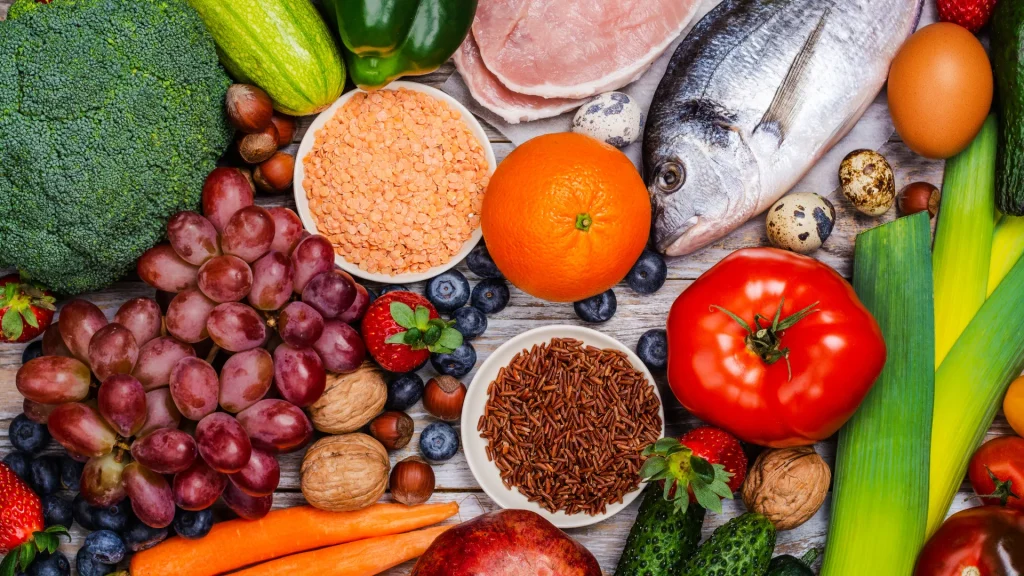
Focus first on whole, natural foods. That means fruits, vegetables, whole grains, legumes, and lean proteins. Avoid processed items full of sugar, sodium, or trans fats. No single item will protect your heart, but the overall pattern of your eating habits can.
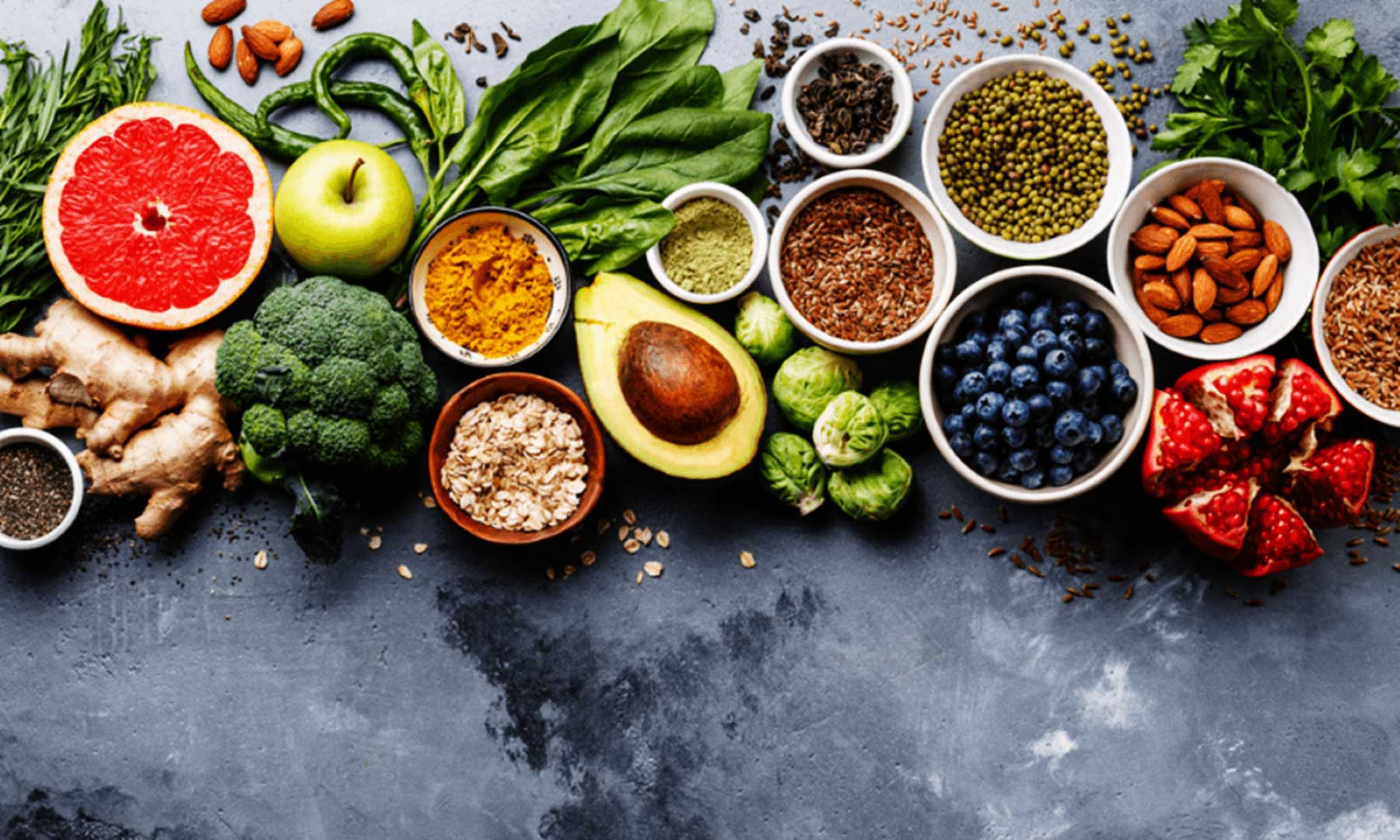
Start by increasing your intake of healthy fats. Foods like avocados, olive oil, nuts, seeds, and fatty fish provide monounsaturated and polyunsaturated fats, which improve cholesterol levels. Omega-3 fatty acids, especially from salmon, flaxseed, and walnuts, help prevent inflammation and blood clots.
However, be careful not to replace fats with sugars or refined carbs. Avoid sugary snacks, soft drinks, and white bread. Instead, choose high-fiber carbs like oatmeal, brown rice, and whole-grain pasta. These options stabilize blood sugar, improve energy, and protect your heart.
Fiber also plays a vital role. Soluble fiber, found in oats, beans, fruits, and nuts, lowers “bad” LDL cholesterol. Insoluble fiber from vegetables and whole grains helps digestion and keeps you full longer, making it easier to manage your weight.
Cutting back on salt is another major change. The American Heart Association recommends limiting sodium to just one teaspoon per day. This can be achieved by avoiding canned or pre-packaged foods, using fresh ingredients, and flavoring meals with herbs like basil, thyme, or cumin instead of salt.
The DASH diet (Dietary Approaches to Stop Hypertension) is a proven method to lower blood pressure. It encourages more fruits, vegetables, low-fat dairy, and whole grains, while reducing saturated fats and sodium. It’s an excellent framework for daily meals.
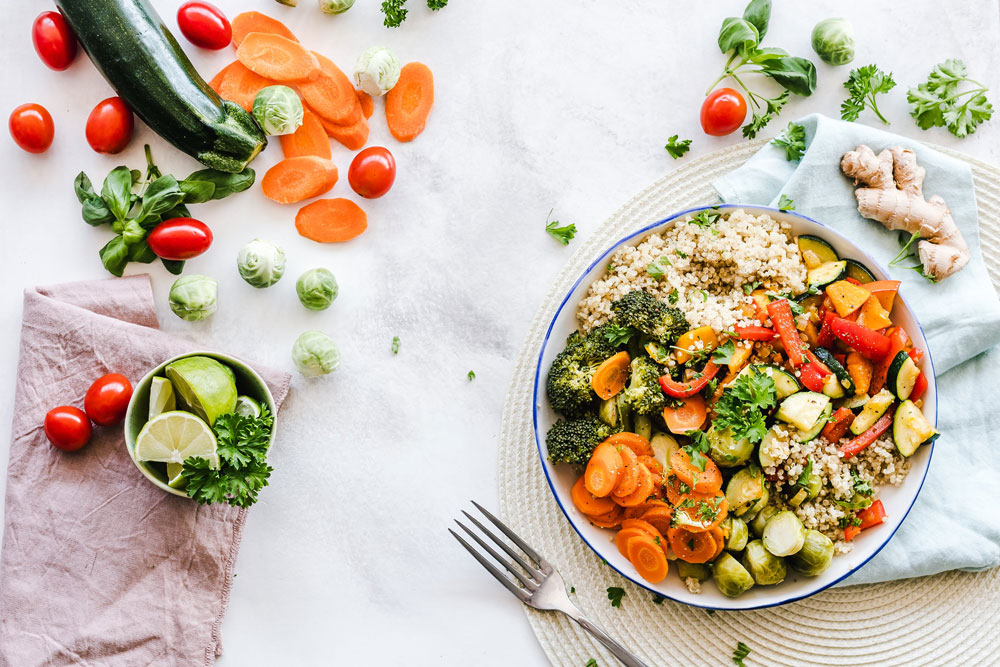
Cooking at home gives you more control over ingredients and portions. It also saves money and can even be fun. Make healthy foods ready-to-eat by pre-cutting fruits and vegetables after shopping. Bake, roast, or steam meals instead of frying, and limit the use of butter and cream.
Portion control is critical. Many people overeat simply because they don’t recognize correct serving sizes. A serving of meat should be the size of a deck of cards, and a serving of pasta should match a baseball in volume. Learn these estimates to manage intake effectively.
Restaurant meals often come in oversized portions. Consider splitting an entrée or ordering an appetizer instead. Bring leftovers home when possible. If you’re still hungry after a meal, add more vegetables or fruit instead of reaching for extra bread or dessert.
Lastly, check food labels carefully. Look for the American Heart Association’s heart-check mark when shopping. This label ensures the food meets strict criteria for saturated fat, trans fat, and cholesterol.
These Heart-Healthy Diet Tips offer a roadmap to better heart health and overall wellness. With consistency, balance, and smart choices, you can take control of your cardiovascular future—one meal at a time.