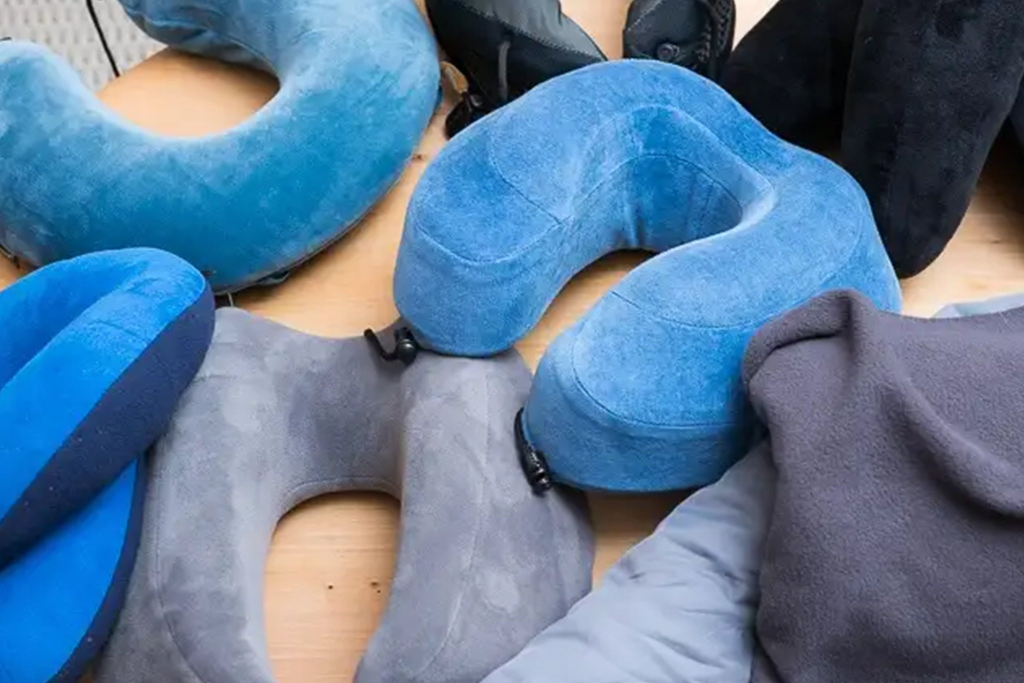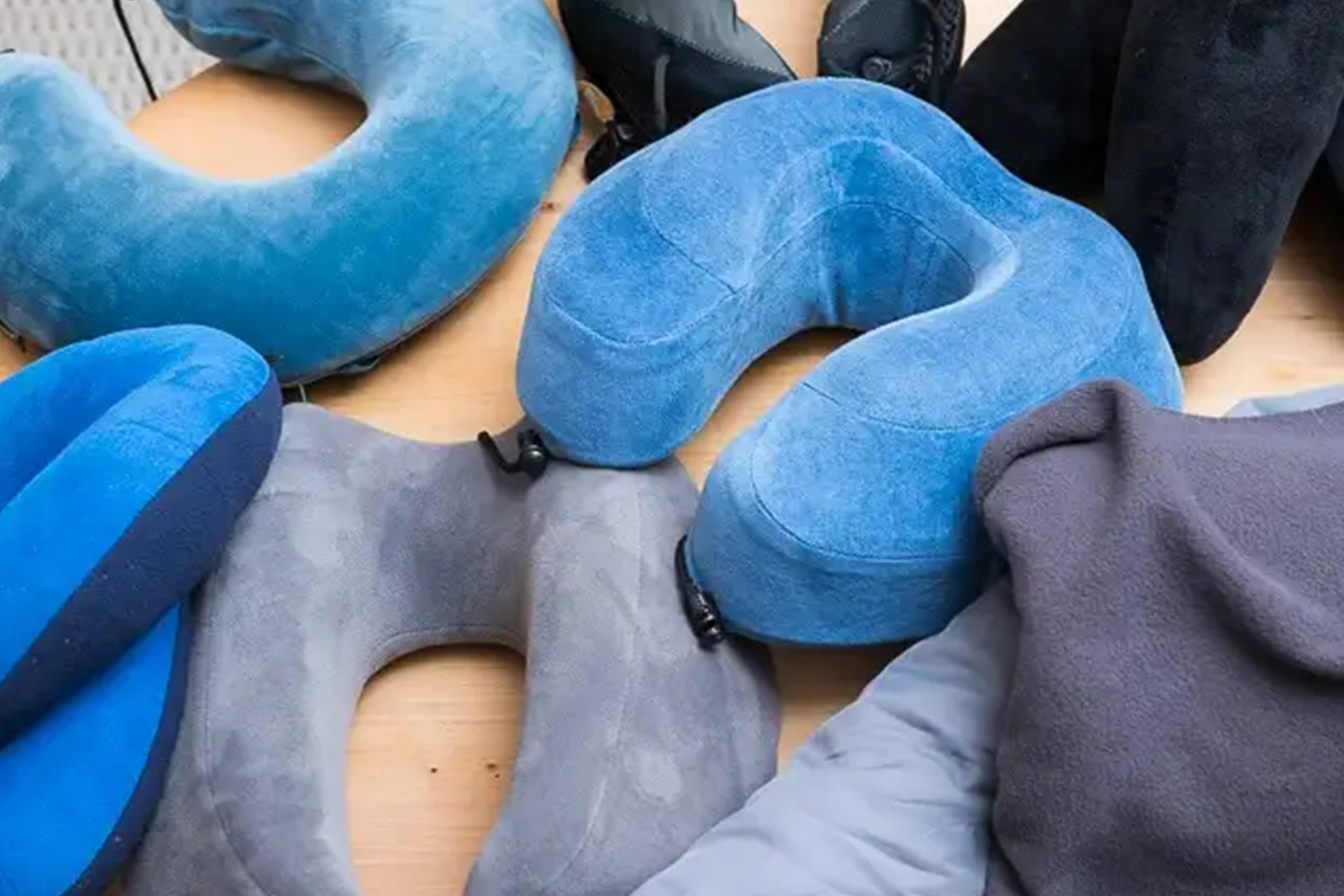
A good travel pillow can make a world of difference during long flights or road trips. Whether you’re trying to sleep on a plane, train, or in a car, a neck or body pillow can provide crucial support to help you rest comfortably. By following a few simple steps, you can find the right pillow for your sleeping style and ensure a better travel experience.
Method 1: Traveling with a Neck Pillow
Step 1: Try your neck pillow before buying it.
Before purchasing a neck pillow, it’s essential to ensure it fits comfortably. While most neck pillows are one-size-fits-all, it’s important to test them to check their comfort level. If possible, try on the pillow or buy one with a flexible return policy to test it before your trip. Your neck should rest naturally without strain, and the material should feel soft, not pinching or chafing.
Step 2: Inflate your pillow if necessary.
If your neck pillow is inflatable, you’ll need to inflate it before use. Blow into the air tube until the pillow reaches the desired firmness, then seal it. Some inflatable pillows self-inflate, so you just need to open a valve to allow the pillow to inflate automatically. Non-inflatable pillows, often made of foam or microbeads, are convenient but may take up more space.
Step 3: Cover your pillow for added comfort.
To make your neck pillow more comfortable, especially if it’s made from plastic or other less soft materials, cover it with a T-shirt or a scarf. You can also buy removable covers that fit your pillow. This extra layer will provide a softer surface against your neck.
Step 4: Position the pillow around your neck.
Place the U-shaped neck pillow around your neck with the opening over your throat. Some neck pillows come with straps to hold them in place. If your pillow isn’t U-shaped, it may fit between your shoulder and head, which works best for people who don’t move around much while sleeping.
Step 5: Recline your seat.
Neck pillows are designed to support your head when it falls back or to the side. Gently recline your seat for better support, but avoid reclining too far or too quickly to ensure your comfort and prevent disturbing fellow passengers.
Step 6: Cover your eyes.
If you’re flying at night, consider using an eye mask to block out light, which can make it harder to fall asleep. Some travel pillows, like the GoSleep, even come with built-in eye masks. You can also improvise by draping a T-shirt or hoodie over your head to darken the environment.
Step 7: Rotate the pillow for different sleeping positions.
For more flexibility, rotate your U-shaped pillow to support your chin if you prefer to sleep with your head falling forward. If your pillow fits on your shoulder, switch sides to find the most comfortable angle for your neck.
Step 8: Use the pillow on the tray table.
If you prefer sleeping on your stomach, place your pillow on the tray table. This allows you to lean forward comfortably without straining your neck. U-shaped pillows work particularly well for this position, as they offer space for your face.
Method 2: Using a Body Pillow for Extra Comfort
Step 1: Travel light for more space.
Body pillows tend to take up more room than neck pillows. To comfortably carry a body pillow, travel with less luggage, allowing space for your pillow. Body pillows can be as long and wide as your torso, so consider how much space you have when packing.
Step 2: Wear loose clothing for comfort.
Body pillows are often used to support your legs or shoulders. Wear loose, comfortable clothing to prevent pressure on your body, and dress lightly if you tend to get warm, as body pillows can sometimes trap heat.
Step 3: Inflate the pillow if necessary.
If your body pillow is inflatable, you’ll need to blow air into it, or it may self-inflate. Check the instructions for inflation. If the pillow is too firm, you can deflate it slightly to achieve a softer feel. Non-inflatable pillows are often filled with foam or microbeads and are more convenient for packing.
Step 4: Attach the pillow to your seat or seatbelt.
Some body pillows come with attachments that allow you to connect them to your seat or seatbelt for added stability. Pillows like Travelrest or FaceCradle can be attached to your seatbelt or the seat in front of you, providing support where you need it most. Adjust it to the most comfortable angle to avoid straining your neck or back.
Step 5: Lean forward or sideways for optimal positioning.
Body pillows are best used when leaning forward or to the side. Find a comfortable position that keeps your neck straight and supported. Some body pillows come with J-shaped curves to fit over your shoulder and under your arm for better positioning.
Bonus Tip: If you want to sleep more comfortably in economy class, consider booking an aisle seat so you can avoid disturbing others when getting up or adjusting.
Community Q&A
Q: Are neck pillows good for travel?
A: Neck pillows can be great for travel, especially if you find one that provides the right level of support. Some people find U-shaped pillows uncomfortable, but experimenting with different styles and materials can help you find the perfect fit. Make sure the pillow keeps your head in a natural, comfortable position while you sleep.