Africa is a continent of dazzling diversity—spanning deserts, rainforests, savannahs, mountains, and coastlines. From wildlife safaris and cultural festivals to tropical islands and historic towns, the ideal time to visit varies by destination and interests. This seasonal guide breaks down the best time to visit Africa based on weather patterns, wildlife highlights, and traveller preferences.
Understanding Africa’s seasons helps you plan a trip that matches your priorities—whether it’s spotting the Great Migration in Kenya, enjoying beach weather in Zanzibar, or exploring Cape Town’s vineyards.
How Seasons Work in Africa
Unlike Europe or North America, much of Africa doesn’t follow the typical four seasons. Instead, many regions experience:
- Dry season: Cooler temperatures, minimal rainfall, and excellent wildlife viewing
- Wet (rainy) season: Warmer, lush landscapes with afternoon storms
- Transitional periods: Between wet and dry seasons, with variable weather
Because Africa straddles the equator, seasonal timing depends on location rather than strict calendar months.
East Africa: Safari and Wildlife Highlights
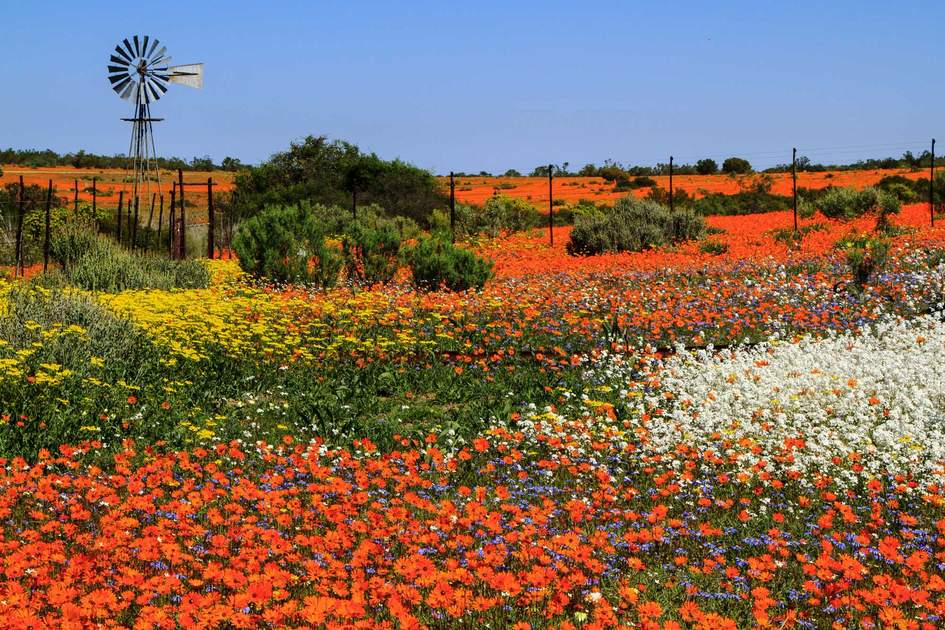
Kenya & Tanzania – Dry Season (June to October)
For many travellers, East Africa’s dry season is the classic safari window:
- Wildlife viewing peaks: Animals gather around water sources, making sightings easier.
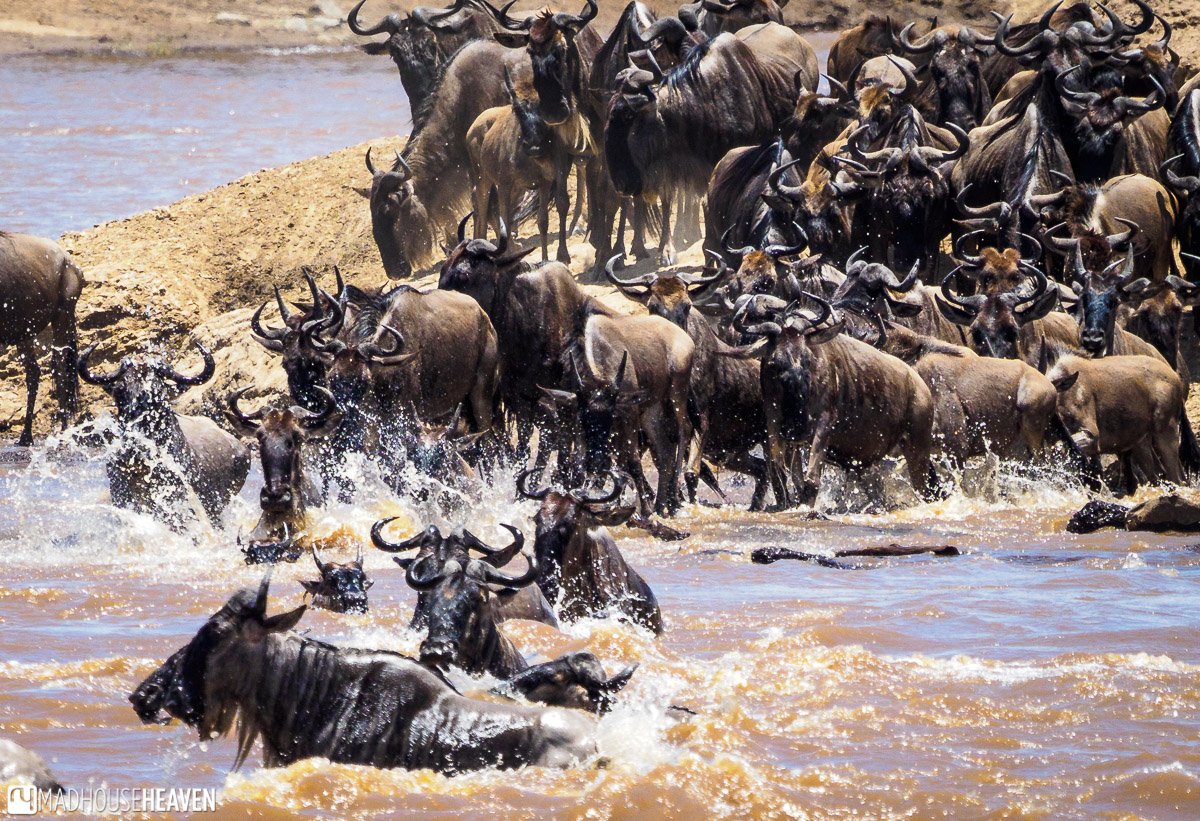
- Great Migration: The spectacular crossing of wildebeest and zebras in the Serengeti–Masai Mara ecosystem occurs mainly from July to September.
- Best weather: Mild days and cool nights with low rainfall.
This period is perfect for game drives, photographic safaris, and cultural visits. However, it’s also peak tourism season, so book popular camps early.
Wet Season (November to May)
The rainy season brings lush scenery and fewer crowds:
- Birdwatching thrives: Migratory birds arrive in droves.
- Calving in the Serengeti: January–February often features newborn wildlife and predator action.
- Lower prices: Accommodation and tours can be more affordable.
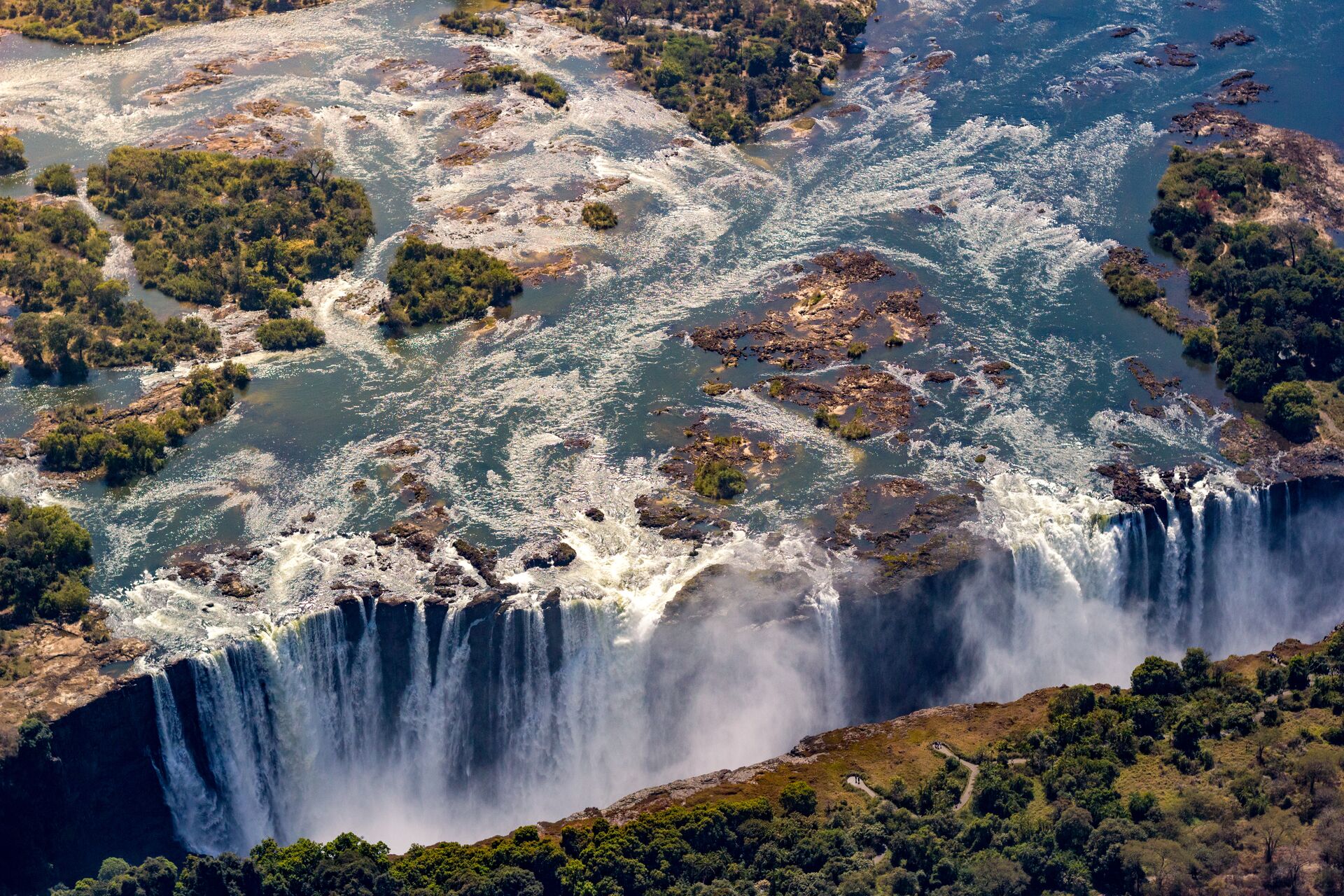
While afternoon showers occur, mornings are often clear. Some roads may be muddy, so 4×4 transport is recommended.
Southern Africa: Variety Across Climates
South Africa – Summer (December to February)
South Africa’s summer is ideal for:
- Beaches & vineyards: Warm weather along the Cape and KwaZulu‑Natal coasts.
- Garden Route road trips: Fabulous scenery and outdoor activities.
- Festive season travel: December is busy but lively.
However, summer can bring heat and occasional afternoon thunderstorms.
South Africa – Winter (June to August)
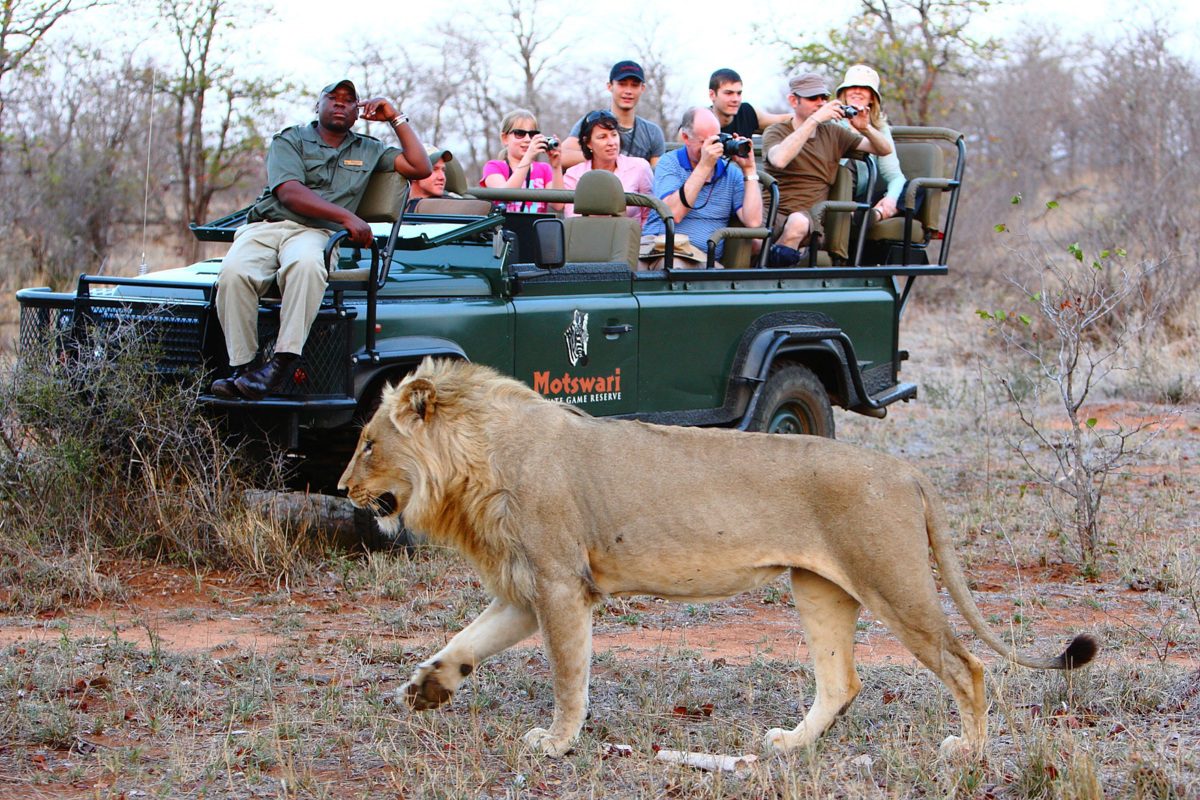
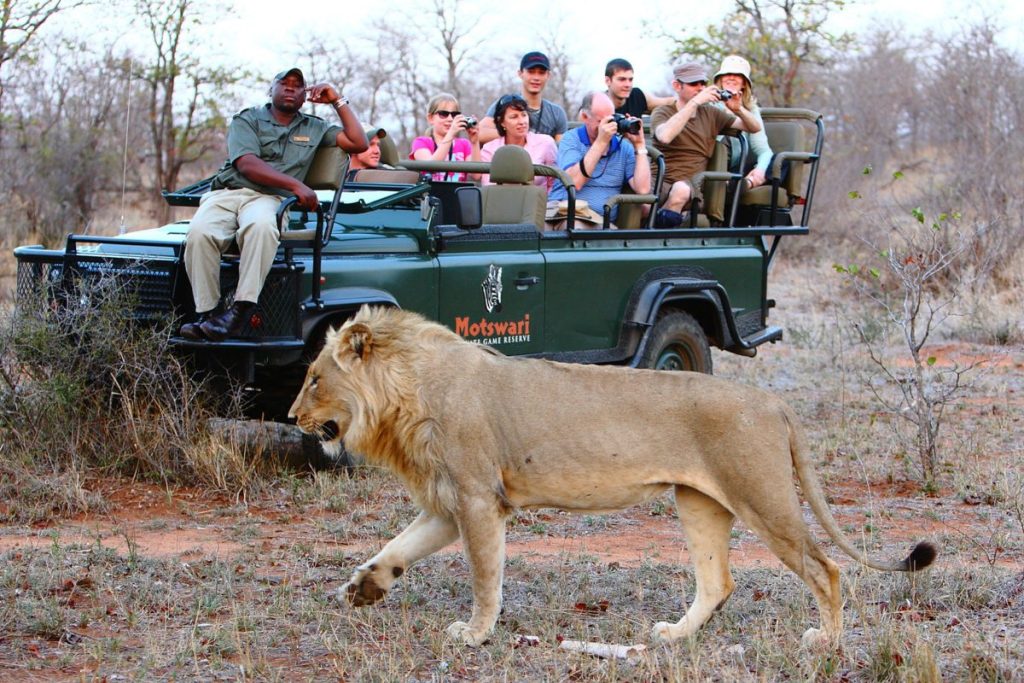
Winter is dry and sunny—great for safari areas such as Kruger National Park:
- Dry season game viewing: Animals cluster near rivers and waterholes.
- Cool mornings: Bring layered clothing for early drives.
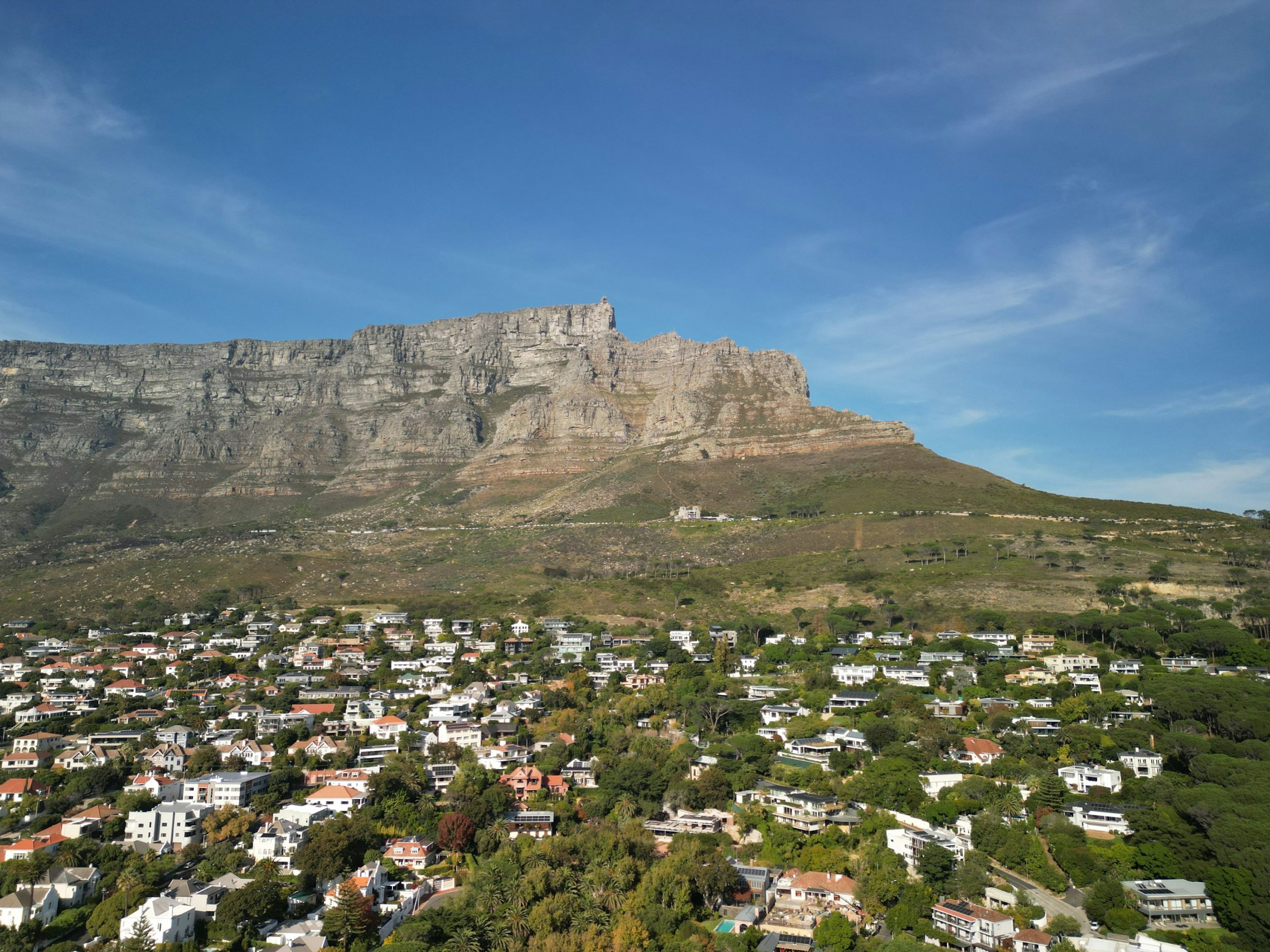
Cape Town and the west coast can be wetter and windier in winter, though landscapes bloom shortly after rains.
Namibia & Botswana – Dry Season (May to October)
Across Namibia and Botswana:
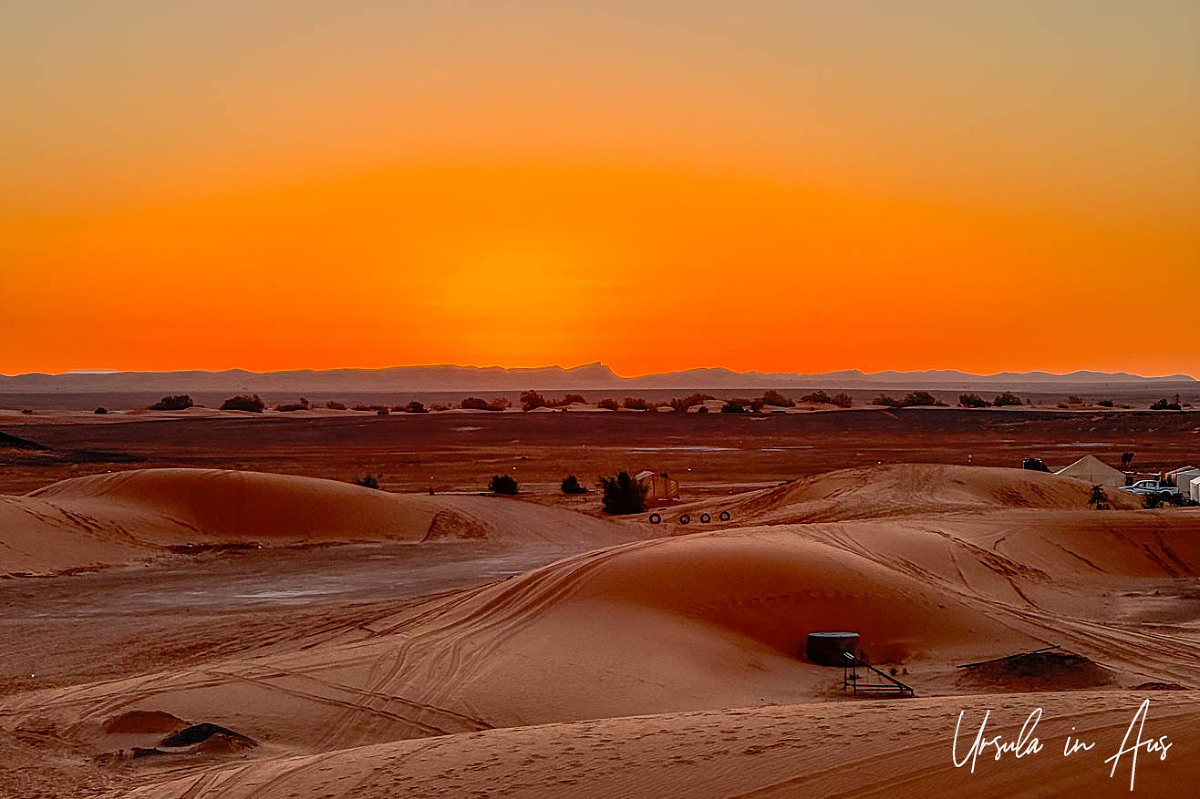
- Clear skies: Crisp conditions and epic desert vistas.
- Chobe and Okavango: Water levels draw abundant wildlife to concentrated areas, rewarding photographers and safari enthusiasts.
The dry months deliver predictable weather and excellent game viewing, though temperatures can drop at night.
North Africa: Culture and Comfortable Touring
Countries like Morocco, Egypt, and Tunisia offer Mediterranean warmth and desert experiences:
Spring (March to May)
- Mild temperatures: Ideal for exploring cities, markets, and historic sites.
- Blooming landscapes: Especially in Morocco’s Atlas foothills.
Spring is one of the most pleasant times to visit North Africa before summer heat peaks.
Autumn (September to November)
- Warm days: Without the intense summer heat.
- Festival seasons: Cultural events and harvest celebrations add local flair.
Summer (June–August) can be scorching inland, especially around desert regions like the Sahara, making shoulder seasons more comfortable.
Island Escapes: Indian Ocean and Atlantic
Zanzibar, Seychelles, Mauritius – Best Beach Weather
For tropical island bliss:
- Dry season (May to October): Cooler trade winds and low humidity make this ideal for beaches and water sports.
- Shoulder seasons (April and November): Still good, but occasional showers may occur.
Peak tourist months see higher prices, so early booking helps secure better deals.
Tips for Choosing Your Best Time
Match the Weather to Your Plans
- Safari: Dry season equals top wildlife viewing.
- Beaches: Choose dry, sunny months for water clarity and comfort.
- Cultural travel: Shoulder seasons offer mild weather and fewer crowds.
Practical Travel Considerations
- Peak vs low season: High season means more crowds and higher prices; low season offers value but occasional weather challenges.
- Wildlife patterns: Seasonal migrations and breeding cycles make certain months especially rewarding.
- Packing: Lightweight layers, sun protection, and sturdy shoes make travel comfortable year‑round.
When Not to Visit
There is no universally “bad” time to visit Africa, but certain periods may not align with specific goals:
- Heavy rains in safari regions: Roads can be difficult and some lodges close for maintenance.
- Extreme summer heat in deserts can make outdoor exploration uncomfortable without proper preparation.
Always research local climate patterns for exact destinations before booking.
Conclusion
Africa’s vastness means there’s always something remarkable to see, no matter the season. The best time to visit Africa depends on your interests—whether it’s witnessing the Great Migration, enjoying coastal sunshine, or exploring ancient cities under perfect conditions.
Understanding seasonal rhythms, wildlife movements, and climate patterns will help you plan an unforgettable journey across this diverse and captivating continent. With thoughtful timing, Africa offers extraordinary experiences that stretch far beyond typical holiday expectations.