

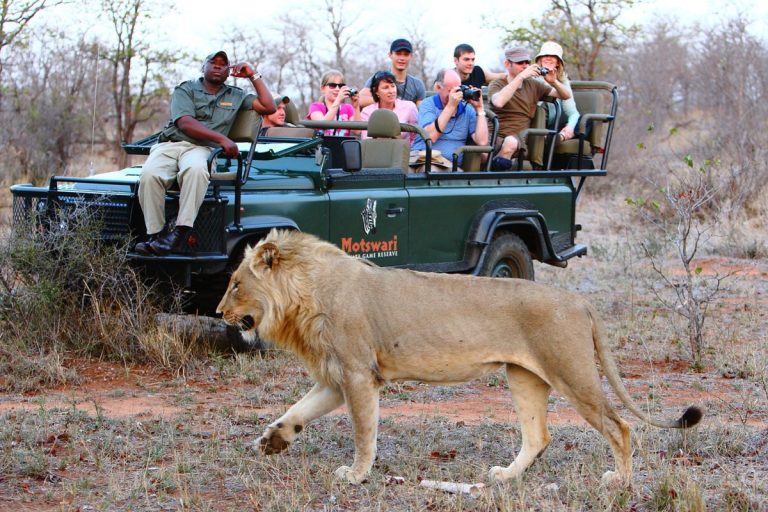
An African safari adventure is a dream for many travellers—an opportunity to witness iconic wildlife up close, explore sweeping landscapes, and experience cultural richness unlike anywhere else on Earth. From the dramatic wildebeest migration in East Africa to the vast deserts of Namibia and the wetlands of Botswana’s Okavango Delta, Africa’s safari destinations offer unforgettable experiences.
But planning a safari can feel overwhelming if you’re not sure where to start. This ultimate guide will walk you through everything you need to know—from choosing the best time to visit and selecting the right destination to packing essentials and budgeting wisely—so you can focus on the adventure ahead.
Choose the Right Safari Destination

Africa has countless safari destinations, each with its own unique wildlife, landscapes, and best travel seasons.
East Africa: Kenya & Tanzania
- Kenya’s Masai Mara: Famous for the Great Migration (July to October).
- Tanzania’s Serengeti: A vast ecosystem where herds of wildebeest and zebra roam in seasonal cycles.
- Ndutu & Ngorongoro Crater: Excellent for predator sightings and diverse wildlife in compact areas.
East Africa is ideal for first‑time safari travellers who want classic Big Five experiences and dramatic migration spectacles.
Southern Africa: Botswana, South Africa & Namibia
- Botswana’s Okavango Delta: A water‑rich paradise for game viewing by boat or mokoro (dugout canoe).
- South Africa’s Kruger National Park: Well‑developed infrastructure and excellent self‑drive safari options.
- Namibia’s Etosha National Park: Wildlife converges at waterholes, making sightings easy even in dry seasons.
Southern Africa offers diverse safari styles—luxury mobile camps, driving yourself, or combining wildlife with stunning scenic beauty.
Other Notable Regions
- Zambia & Zimbabwe: Walking safaris and Victoria Falls visits add variety.
- Uganda & Rwanda: Mountain gorilla trekking offers a unique primate safari experience.
Best Time to Go on Safari
Timing your safari is critical for weather and wildlife sightings.
Dry Season – Peak Wildlife Viewing
- June to October: Wildlife concentrates around water sources and dry conditions make game viewing easier.
- Best for: Masai Mara, Serengeti, Kruger, Etosha.
Wet Season – Lush Landscapes
- November to May: Green landscapes, baby animals, and fewer visitors.
- Considerations: Afternoon showers and some roads may be muddy.
For dramatic photo opportunities and classic safari scripting, dry season is usually recommended—especially for first‑time visitors.
Choose Your Safari Style
Group & Guided Safaris
Organised group tours offer curated experiences with experienced guides. These are great for first‑timers or solo travellers who prefer structured itineraries and local knowledge.
Private or Tailor‑Made Safaris
Customised itineraries cater to your preferred pace, wildlife interests, lodging style, and budget. This option is ideal for couples, families, or luxury travellers.
Self‑Drive Safaris
In countries like South Africa and Namibia, renting a 4×4 and exploring national parks at your own pace can be an adventurous and cost‑effective choice.
Luxury & Fly‑In Safaris
For travellers who want minimal transit and maximum comfort, fly‑in safaris connect airstrips to exclusive lodges and camps deep in prime wildlife areas.
Safari Accommodations: What to Expect
Safari lodges and camps range from rustic to ultra‑luxury:
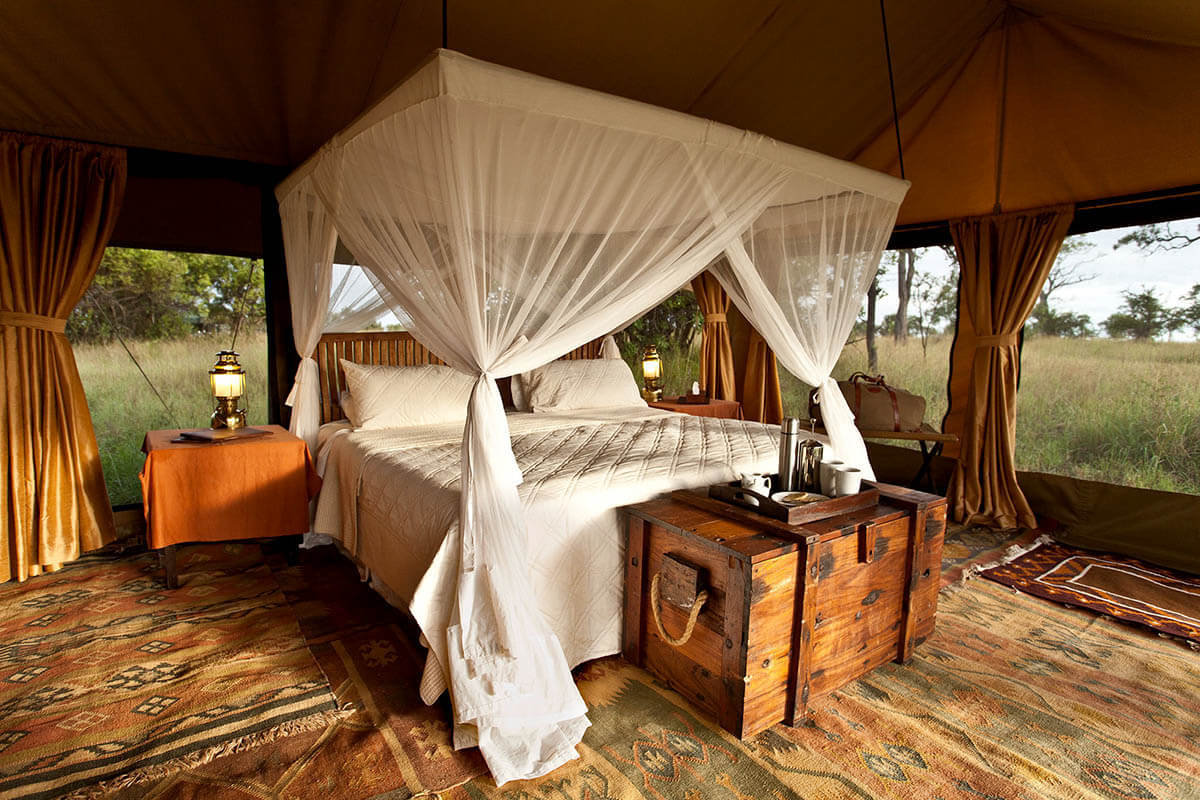
- Tented Camps: Open‑air rooms, bush ambiance, and close‑to‑nature experiences.
- Luxury Lodges: Elegant rooms, gourmet meals, spa services, and boutique comforts.
- Mobile Safaris: Move with the wildlife—camps set up in different locations as part of your itinerary.
Booking well in advance—especially for peak season—is crucial to secure your preferred property.
Packing Essentials for Safari
Packing smart ensures comfort during long game drives and outdoor activities.
Must‑have items:
- Neutral‑colored clothing (khaki, beige, olive)
- Lightweight long sleeves for sun and insects
- Good walking shoes and socks
- Wide‑brimmed hat and sunglasses
- High‑SPF sunscreen and insect repellent
- Binoculars for wildlife viewing
- Camera with zoom lens and spare batteries
- Reusable water bottle and snacks
Packing layers is advisable, as early mornings and evenings can be cool even in warm regions.
Safari Safety Tips
Safety enhances both your experience and wildlife respect.
- Listen to your guide: Wildlife can be unpredictable—guides know animal behavior.
- Keep doors and windows closed on drives: This reduces the risk of unwanted animal encounters.
- Avoid loud noises: Keep voices low to respect wildlife and avoid disturbing animals.
- Follow park rules: Respect distance limits and designated paths.
Budgeting for Your Safari
Safari costs vary widely based on destination, level of accommodation, travel season, and activities.
- High‑end luxury safaris: Include private guides, exclusive camps, and premium experiences.
- Mid‑range options: Comfortable lodges and shared game drives offer great value.
- Budget & self‑drive safaris: National park fees, car rental, and simple lodging can make travel more affordable.
Always factor in airfare, visa costs, park entry fees, local transfers, and tipping—common components of safari budgets
Wildlife Moments to Look For
The Big Five
Lion, elephant, buffalo, leopard, rhinoceros remain iconic safari highlights.
Great Migration
Witness millions of wildebeest and zebras crossing rivers—an unforgettable spectacle.
Birdwatching
Africa’s wetlands and savannahs host spectacular birdlife—flamingos, eagles, and more.
Big Cat Sightings
Predator behavior—lion hunts, cheetah chases, and leopard treetop sightings—thrill many visitors.
Cultural Encounters and Local Experiences
Safari isn’t just about wildlife—local cultures add depth to your trip.
- Maasai & Samburu visits: Learn about traditional pastoralist lifestyles.
- Village tours: Enjoy cultural performances and local crafts.
- Culinary experiences: Sample regional dishes and local cuisine at lodges and towns.
These experiences enrich your understanding of Africa’s diverse heritage.
Responsible and Ethical Safari Travel
Practice sustainable tourism:
- Support lodges and operators committed to conservation.
- Respect wildlife and habitats—no feeding or approaching animals.
- Reduce plastic waste and leave natural areas as you found them.
Tourism contributes to local economies—responsible travel helps ensure these benefits continue for communities and ecosystems alike.
Conclusion
An African safari is more than a vacation—it’s a transformative journey through some of the most awe‑inspiring landscapes on Earth. With thoughtful planning, informed destination choices, and a spirit of adventure, your safari can become one of the most memorable experiences of your life.
