Choosing Healthy Protein is essential for maintaining energy, muscle mass, mental clarity, and overall wellness. While many people meet their protein needs, the quality of that protein often goes overlooked.
Why Choosing Healthy Protein Matters
Protein isn’t just about quantity—it’s also about quality. When you consume protein, your body breaks it into amino acids, which are critical for cell repair, energy production, and even mood regulation through serotonin. Most animal proteins (meat, eggs, dairy) offer all essential amino acids, while plant-based proteins may require variety to achieve the same balance.
Health Benefits of Choosing Healthy Protein
- Boosts immune system function and helps tissue recovery
- Supports heart and respiratory health
- Essential for child development and elderly health
- Helps maintain clear thinking and supports memory
- Reduces risk of cardiovascular disease and diabetes
- Promotes healthy weight by curbing hunger and increasing fullness
- Improves skin, hair, and nails appearance
Including high-quality protein in your meals improves both physical and mental performance.
High-Quality vs. Low-Quality Protein
Not all protein sources are equal. Industrial meat and highly processed products may contain excess salt and harmful additives, increasing the risk of hypertension and cancer.
Tips to Choose High-Quality Protein
- Opt for organic poultry and grass-fed meats
- Limit processed meats like sausages and deli cuts
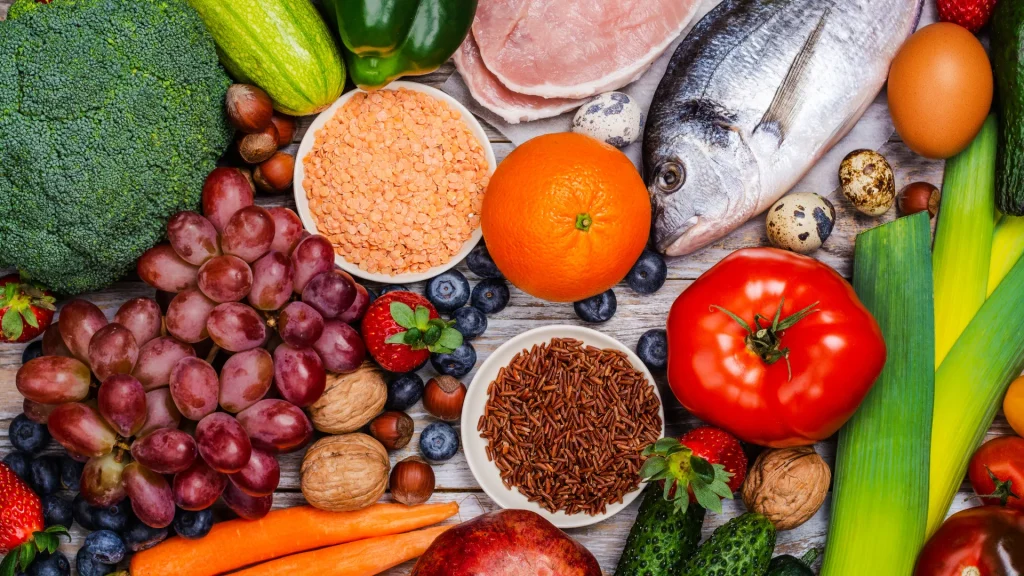
- Focus on variety: mix animal and plant proteins
- Use natural sources over processed protein supplements whenever possible
How Much Protein Do You Need?
According to health experts, adults need about 0.8g of protein per kilogram of body weight daily. A 180-pound man requires approximately 65g/day. However, active individuals, pregnant women, and older adults may need more.
- Nursing women: Add 20g/day
- Seniors: 1–1.5g/kg body weight
- Athletes or dieters: May benefit from increased intake
Distribute your protein evenly across meals to maximize absorption and benefit.
Top Sources When Choosing Healthy Protein
Animal-Based Options
- Salmon (3 oz): 19g + omega-3
- Chicken breast (3 oz): 27g
- Eggs (1 large): 6g
- Cottage cheese (½ cup): 12g
- Mozzarella (3 oz): 19g
Plant-Based Options
- Tofu (½ cup): 11g
- Black beans (⅓ cup): 5g
- Almonds (¼ cup): 8g
- Peanut butter (2 tbsp): 7g
- Veggie burger (1 patty): 23g
Adding legumes and nuts to soups, salads, or snacks makes it easy to meet your daily needs.
Boosting Intake Without Supplements
You don’t need protein powders to meet your goals. Use smart substitutions in your meals:
- Swap white bread for whole grain
- Replace chips with almonds
- Choose Greek yogurt over dessert
- Use beans instead of fries as a side
- Go for grilled chicken instead of pizza
These adjustments increase protein intake while improving diet quality.
Protein Supplements: When and How to Use Them
While whole foods are preferred, protein shakes and bars can be useful for:
- Teens with high activity levels
- Vegans cutting out animal products
- Older adults with small appetites
- Athletes in muscle recovery or injury rehab
Common Protein Types
- Whey & Casein: Milk-based, high absorption
- Soy & Pea Protein: Vegan alternatives
Choose third-party tested supplements and read labels to avoid excess sugar and fillers.
Avoiding Risks When Increasing Protein
A sudden protein increase may cause sodium overload, dehydration, or calcium loss. Protect your health with these practices:
- Choose unsalted nuts and seeds
- Use low-sodium canned beans
- Stay hydrated—more protein increases urine output
- Consume enough calcium (1,000–1,200mg/day)
Moderation and balance are key when enhancing protein consumption.
If You Don’t Like Fish
Not everyone enjoys seafood, but you can still benefit from it by:
- Buying fresh mild-flavored fish like tilapia or cod
- Using marinades, herbs, or sauces
- Adding fish to curries or salsas
- Mixing canned tuna with healthy spreads for sandwiches
Small changes can make fish a more appealing and nutrient-rich part of your diet.