Understanding cyberbullying online bullies
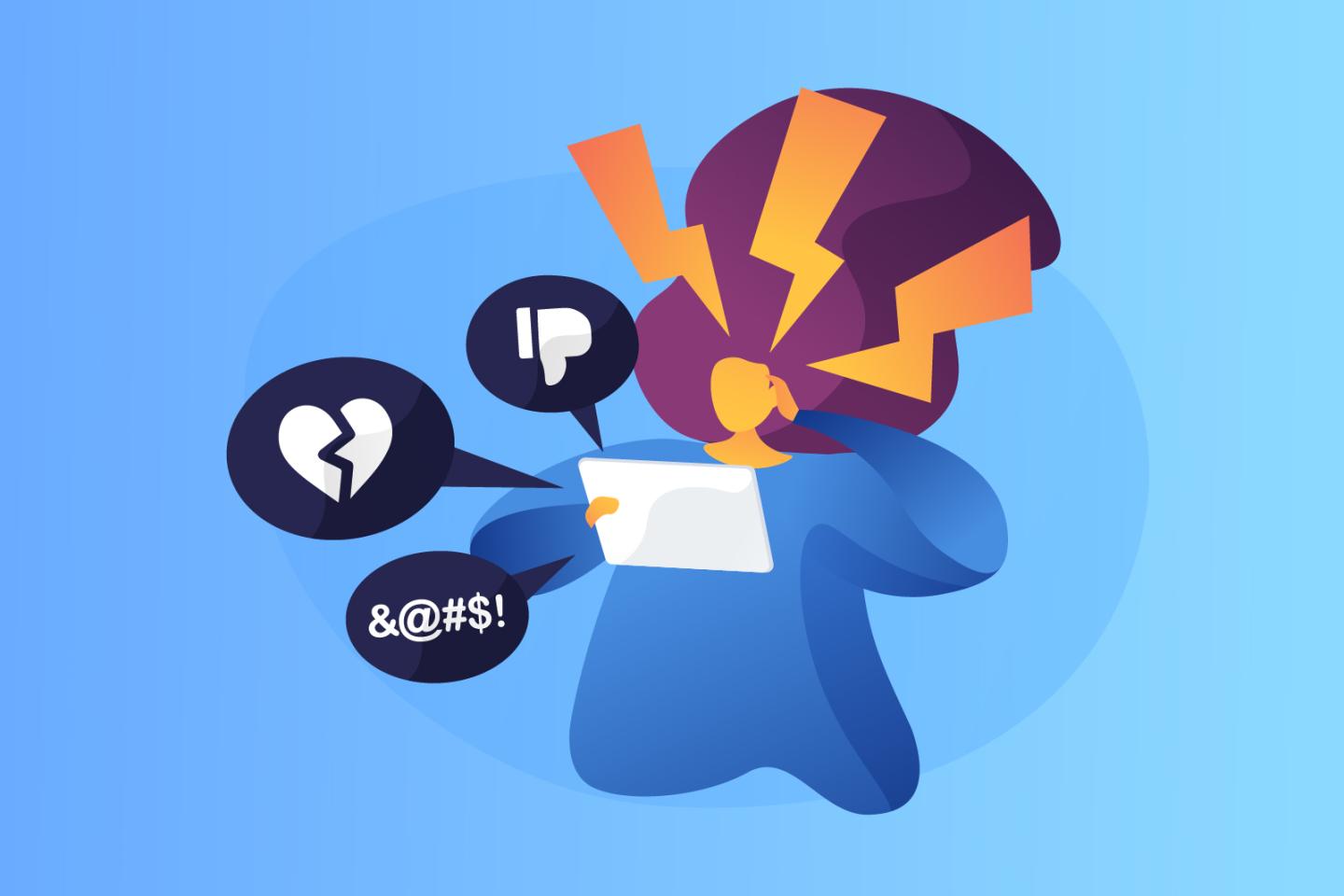
Cyberbullying online bullies use digital platforms such as social media, email, text, or messaging apps to harass, humiliate, or threaten others. Unlike traditional bullying, this type of abuse can follow victims anywhere, 24/7, through smartphones and computers. With one post or message, humiliation can reach hundreds—or even thousands—of people.
Anyone can be a cyberbully. Boys often resort to sexting, threats, or revenge porn, while girls may spread rumors, reveal secrets, or exclude peers online. Because it requires little face-to-face confrontation, roles can quickly shift—victims can become bullies themselves, continuing the cycle.
The tactics range from sending taunts and threats to hacking accounts, impersonating identities, or creating entire pages meant to shame a target. The anonymity of the internet often emboldens bullies to go further than they would in person.
Effects of cyberbullying online bullies
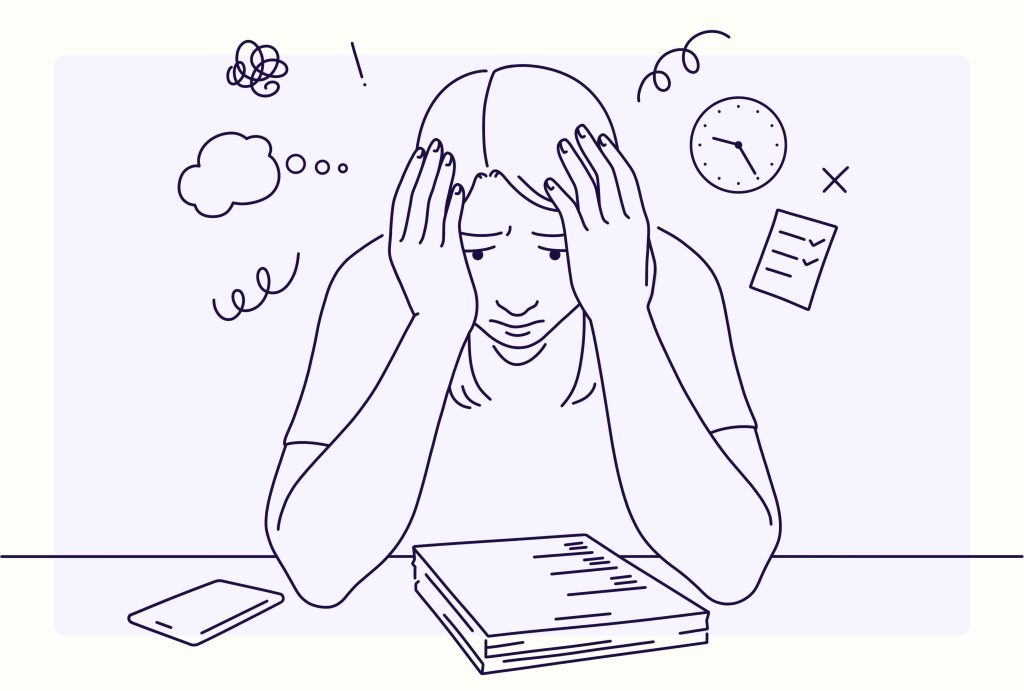
The impact of cyberbullying online bullies can be devastating. Victims often experience low self-esteem, anxiety, depression, and even symptoms of PTSD. Unlike offline bullying, cyberbullying can feel inescapable, since it follows you into your home and can occur at unexpected times.
Some key aspects make cyberbullying uniquely harmful:
- It can happen anytime, anywhere, leaving no safe space.
- It often happens anonymously, making it harder to stop.
- It can be witnessed by large audiences, amplifying humiliation.
- Hurtful content can stay online indefinitely, damaging reputations and well-being long-term.
At its worst, cyberbullying can contribute to suicidal thoughts, especially among teens and young adults.
How to respond to cyberbullying online bullies
Dealing with cyberbullying online bullies requires strategy and resilience:
- Do not retaliate. Responding fuels the bully’s intentions and can worsen the abuse.
- Save evidence. Keep screenshots or abusive messages to report later.
- Seek help. Reach out to parents, teachers, or counselors. Counseling isn’t weakness—it’s support.
- Report threats. Serious harassment or sexual content should be reported to law enforcement.
- Block and prevent contact. Use tools to block numbers, accounts, or profiles.
- Be relentless. Bullying often persists, so continue reporting every incident until it stops.
Building resilience and prevention strategies
Reducing the harm of cyberbullying online bullies also involves lifestyle changes and support systems:
- Limit social media use. Excessive screen time can worsen anxiety and expose you to more abuse.
- Strengthen offline relationships. Spend time with supportive family and friends who uplift you.
- Focus on positivity. Engage in hobbies, sports, or causes that give you a sense of purpose.
- Reframe perspective. Understand that bullies act out of insecurity and unhappiness—not because of your worth.
- Practice stress management. Activities like exercise, mindfulness, and meditation reduce emotional strain.
- Promote body positivity. Combat body-shaming by focusing on self-acceptance and valuing your strengths.
Guidance for parents
Parents play a critical role in preventing cyberbullying online bullies from harming children:
- Watch for warning signs such as withdrawal, anxiety when online, or sudden academic decline.
- Talk openly about online experiences and encourage kids to report harassment without fear of losing devices.
- Set rules for safe online behavior, like avoiding oversharing personal information.
- Use parental controls and monitor social media contacts.
- If your child bullies others, address the behavior immediately by setting boundaries, teaching empathy, and offering healthier outlets for stress.
Conclusion
Cyberbullying online bullies can damage mental health, reputation, and relationships. Yet victims are not powerless. By saving evidence, seeking help, setting boundaries, and finding supportive communities, anyone can reduce the impact and rebuild self-worth. Parents and educators must also remain vigilant, teaching resilience and responsible digital behavior. Together, these efforts can ensure online spaces become safer, healthier, and more respectful.