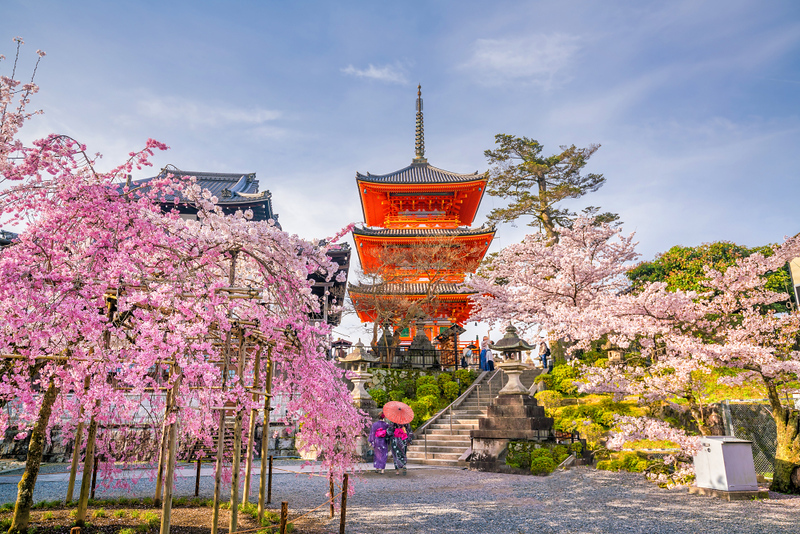
First-time travel to Japan can be an unforgettable experience filled with cultural discovery, breathtaking scenery, and modern attractions. From neon-lit streets in Tokyo to serene temples in Kyoto, Japan offers a balance of tradition and innovation. This guide will help you navigate Japanese culture, plan your itinerary, and explore the best food, accommodations, and sightseeing destinations for a first-time visitor.
Overview of Japanese Culture
Japanese culture is unique and may be unfamiliar to many Western travelers. Experiencing culture shock is common, but understanding basic customs can make your trip smoother and more enjoyable.
Greetings in Japan
Bowing is the traditional greeting in Japan. Perform a simple bow by bending at the waist, keeping your back and neck straight, and looking downward.
- Men: Keep your hands at your sides.
- Women: Clasp your hands in front.
As a tourist, a small nod of the head is acceptable, while business travelers should practice a formal bow.
Visiting Japanese Homes
Being invited into a Japanese home is an honor. Remove your shoes at the entrance (genkan) and use provided slippers. Many traditional inns (ryokan) and temples follow the same custom. Bare feet are unacceptable, and you may receive separate slippers for the bathroom.
Dining Etiquette and Chopsticks
Japanese dining often involves low tables and tatami floors. Shoes should be removed before stepping onto tatami mats. Clean your hands with a wet towel provided at the start of your meal, and bring small bowls close to your mouth when eating.
Use serving chopsticks for shared dishes and avoid pointing or playing with chopsticks. Holding the upper chopstick like a pencil while using the thumb, index, and middle fingers to move it is the correct technique. Never stick chopsticks into food.
Japanese Bathrooms
Japanese toilets range from traditional squat-style to modern Western-style with heated seats and automatic lids. Public restrooms may not provide toilet paper, so carry your own. Look for “small” (小) and “large” (大) flush symbols to operate toilets properly.
Temples and Shrines
Temples and shrines are sacred spaces. Show respect by praying briefly, tossing coins into the offering box, and bowing correctly. Wash your hands at purification fountains and follow signage for photography rules.
Traveling Without Knowing Japanese
Learning a few basic phrases improves your experience significantly. Common words include:
- Hello – Konnichiwa
- Thank you – Arigatou gozaimasu
- Taxi – takushi
- I want to go to [location] – [location] e ikitai desu
Even minimal effort in speaking Japanese demonstrates respect for local culture and is highly appreciated due to omotenashi, or selfless hospitality.
Currency and Costs
Japan is largely cash-based, so carrying some yen (JPY) is essential. Exchange rates fluctuate, but roughly $1 USD equals ¥161.78 JPY (as of 2024). For a one-week trip, a budget of $1,700 USD can cover flights, accommodation, food, and transport comfortably.
Visa and Travel Requirements
U.S. citizens do not need a visa for stays up to 90 days. Ensure your passport is valid and keep onward/return tickets handy. Japan does not require vaccinations for U.S. travelers, and malaria is no longer a concern.
Best Time to Visit Japan
- Spring (March–May): Ideal for cherry blossom season and mild weather.
- Summer (May–August): Budget-friendly accommodations, but watch for typhoons in Okinawa.
- Winter (December–February): Perfect for Hokkaido’s snow resorts and onsen experiences.
Where to Travel in Japan
Japan has four main islands: Hokkaido, Honshu, Shikoku, and Kyushu. Each offers unique attractions and experiences.
Hokkaido
Known for winter resorts and snowfall, Hokkaido’s largest city is Sapporo. It’s a hub for skiing and natural landscapes.
Honshu
- Tohoku: Countryside, mountains, lakes, and onsen. Sendai is the largest city.
- Kanto: Home to Tokyo and Yokohama.
- Chubu: Known for Mt. Fuji, Nagoya, and Niigata.
- Kansai: Cultural heart including Kyoto, Osaka, Nara, and Kobe.
- Chugoku: Hiroshima and Miyajima; urban and rural contrasts.
Shikoku
Famous for the 88-temple pilgrimage route and smaller, volcano-free terrain.
Kyushu
Offers hot springs, historical cities like Nagasaki, and the Okinawa islands.
Getting to and Around Japan
Major international airports include Narita, Haneda, Kansai, and Chubu. Direct flights connect Japan to major U.S., European, and Asian cities. Within Japan, domestic flights, ferries, and Japan Rail Passes provide seamless transportation across islands.
Accommodation Options
- Tokyo: Hotel Ryumeikan (luxury), Tokyo Hotel Horidome Villa (budget), Ito Ryokan (traditional).
- Sapporo: Jozankei Tsuruga Resort (luxury), Mercure Hotel (mid-range), Suizantei Club (traditional).
- Kyoto: Hotel Mume (luxury), Toyoko Inn (budget), Tawaraya (traditional ryokan).
Top Tourist Sites
Tokyo
- Imperial Palace
- Tsukiji Outer Market
- Shibuya Crossing
- Meiji Jingu Shrine
Kyoto
- Imperial Palace
- Fushimi Inari Taisha
- Railway Museum
Osaka
- Osaka Castle
- Nijo Castle
Hiroshima
- Peace Memorial Museum and Park
- Miyajima Island (Itsukushima Shrine)
Japanese Cuisine
From sushi, udon, tempura, and miso soup to inventive fast food, Japanese cuisine blends tradition with innovation. Convenience stores offer high-quality meals at budget-friendly prices. Try local spins on McDonald’s and Burger King for a unique experience.
Understanding Japanese History
Japan’s history stretches back to 660 BCE. Cultural identity has been shaped by feudalism, modernization, and post-WWII economic growth. National symbols include cherry blossoms, the rising sun flag, and the Chrysanthemum flower. Regional identities remain strong, with towns known for local crafts, cuisine, or music.
READ: Traveling Internationally with Your Dog: Complete Guide